Yoga for Sleeplessness: Easy Poses
Yoga practice to treat insomnia offers a natural solution that helps relax an overexcited brain and prepare the body for a good night’s sleep. Insomnia may occur as a result of long-term stress during the day, high activity of the sympathetic nervous system, and bodily tension accumulated by the end of the day. Practicing relaxing yoga poses at night lowers the level of stress hormones, relaxes the body, and triggers a parasympathetic reaction. Consistently dedicating fifteen minutes to yoga for sleeplessness encourages healthier, more consistent sleep cycles.
Key Takeaways
- Parasympathetic Activation: Slow, deliberate postures quiet the central nervous system to signal readiness for sleep.
- Stress Hormone Reduction: Gentle inversions and forward folds reduce cortisol production to ease nighttime restlessness.
- Physical Tension Release: Targeted stretches unwind tightness in the spine, hamstrings, and shoulders for greater sleep comfort.
Understanding Yoga for Sleeplessness
The nighttime exercise regimen decreases physiological arousal prior to sleep as it engages:
- Vagal Nerve Stimulation: The combination of deep breathing along with the inverted poses helps you invoke your natural relaxation response.
- Improving Brain Oxygenation: Inverted poses facilitate blood flow to your brain to dispel any mental tiredness.
- Core Body Temperature Control: Stretching exercises help to release the internal body heat that needs to be released to initiate sleep.
Key Asanas for Sleeplessness
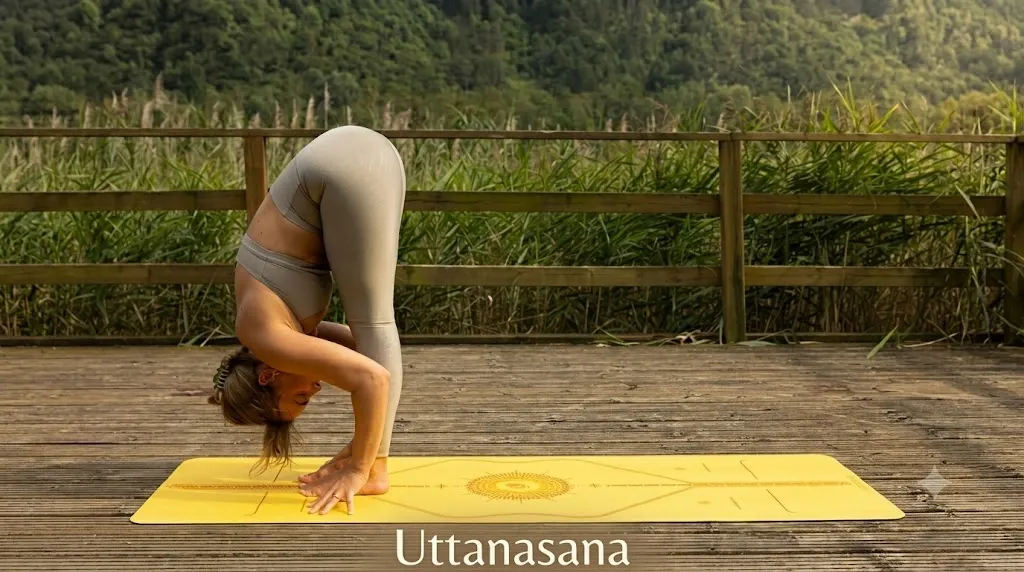
Incorporating postures like Uttanasana into your nightly routine makes yoga for sleeplessness an effective tool for insomnia relief.
The following table details six effective poses to reduce evening tension and encourage restful sleep:
|
|
|
|
|
|
|
|
|
|
|
|
|
|
|
|
|
|
|
|
|
|
|
|
|
|
|
|
|
|
|
|
|
|
|
Step-by-Step Instructions
Restorative poses like Uttanasana make yoga for sleeplessness accessible even for absolute beginners.
- Standing Forward Bend (Uttanasana): Stand with your feet shoulder-width apart; inhale and then exhale as you fold forward at your hips, bend your knees slightly if you have tight hamstrings, and let your head hang heavily toward the ground.
- Child’s Pose (Balasana): Kneel on your yoga mat with the soles of your feet together, lean back into your heels, stretch forward between your thighs, and lay your forehead down on the mat.
- Legs-Up-the-Wall Pose (Viparita Karani): Sit perpendicular to the wall; slowly swing your legs up the vertical plane as you lie back on the floor and stretch your arms out to your sides.
- Supine Spinal Twist (Supta Matsyendrasana): Lie on your back; draw your knees up to your chest; drop your knees to one side of your body; extend your arms out in a “T” shape while looking in the opposite direction.
- Bound Angle Pose (Supta Baddha Konasana): Lie down on your back; bring the soles of your feet together; let your knees fall out to the sides; place one hand on your heart and one hand on your belly.
- Corpse Pose (Savasana): Lie completely flat on your back with feet shoulder-width apart, arms resting by your sides with palms facing up, close your eyes, and surrender all muscular effort.
Health Risks Prevented by Sleeplessness Yoga
Many practitioners find that yoga for sleeplessness lowers cortisol levels naturally without relying on pharmaceutical aids.
- Insomnia Relapse: Breaks the loop of pre-sleep anxiety through the creation of an organized and relaxing nighttime ritual.
- Chronic Sleeplessness Signs: Guards against symptoms like cognitive exhaustion, mood swings, and difficulty concentrating during the day.
- High Levels of Cortisol: Keeps high levels of stress hormone from forming to maintain heart health.
- Restless Legs: Loosens tight leg muscles to reduce movements when falling asleep.
Precautions
Slow breathing exercises combined with yoga for sleeplessness activate the body’s relaxation response quickly.
- Active Inversions: Avoid performing headstands or handstands close to bedtime, as these will elevate heart rate and increase energy levels.
- Uttanasana Modifications for Glaucoma: Elevate your head in relation to your heart, especially if you have problems with intraocular pressure or experience severe dizziness.
- Heavy Stretches: Perform passive stretches that are assisted by pillows or bolsters, not stretches which require maximum flexibility.
- Dinner and Yoga Practice: Refrain from performing bedtime yoga poses within two hours after a large meal.
Final Thoughts
Incorporating yoga for sleeplessness into your evening routine offers a reliable, natural way to transition from daily busyness to restorative rest. Focusing on slow breathing and gentle postures helps release physical tightness and quiet an overactive mind. Making these six poses a regular bedtime practice helps train your body to relax, setting the stage for deep, uninterrupted sleep night after night.
Frequently Asked Questions (FAQs)
1. At what time should I perform yoga for insomnia?
Perform your routine 20 to 30 minutes before your scheduled bedtime to allow your body to adjust to a cooler body temperature and lower heart rate.
2. Can I perform these sleeping yoga poses on my bed?
Yes, poses such as Child’s Pose, Supine Spinal Twist, and Savasana can be done on a firm bed surface.
3. Why do I need to include Uttanasana in my bedtime routine?
The reason why you have to incorporate Uttanasana is that it will improve blood flow to your head, relax your heart, and elongate your spine.
4. How do I do Uttanasana when I cannot touch my toes?
Bend your knees slightly or use blocks to place your hands.
Disclaimer: The content on LifePositive.com, including articles/blogs on yoga, acupuncture, naturopathy, and other alternative healing modalities for holistic wellness, is for informational and educational purposes only. It is not a substitute for professional medical advice, diagnosis, or treatment. Always consult a qualified healthcare provider before starting any new health protocol or making changes to an existing treatment plan.
Also Read
By Umesh Kumar


Discussion (0)
No comments yet. Be the first to comment!
Leave a Comment
You need to login to post a comment.