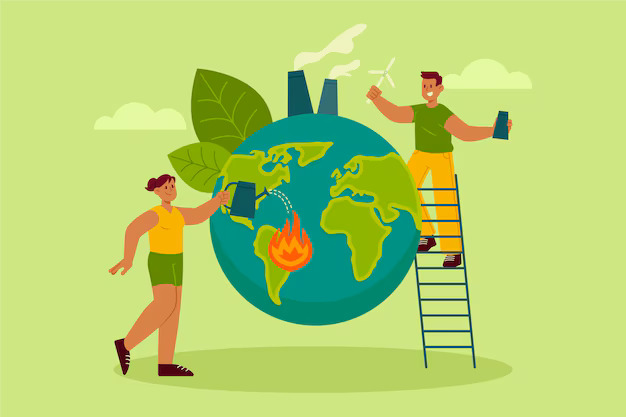
Prevent climate change
Preventing or mitigating climate change requires a comprehensive and global approach, combining efforts by individuals, governments, and industries. Here are key strategies to address climate change effectively.
1. Reduce Greenhouse Gas Emissions
- Transition to Renewable Energy: Shift from fossil fuels (coal, oil, gas) to renewable sources like solar, wind, and hydroelectric power.
- Energy Efficiency: Use energy-efficient appliances, insulate buildings, and adopt energy-saving practices in industries and homes.
- Electrify Transportation: Promote electric vehicles (EVs), improve public transit systems, and invest in alternative fuels like hydrogen.
- Limit Methane Emissions: Reduce methane leaks from agriculture, waste, and the energy sector.
2. Protect and Restore Natural Ecosystems
- Forestation and Reforestation: Protect existing forests and restore degraded ones to absorb COâ‚‚.
- Conservation of Wetlands and Mangroves: These ecosystems act as natural carbon sinks and help in flood management.
- Sustainable Agriculture: Practice agroforestry, crop rotation, and reduced tillage to store carbon in soil.
3. Adopt Sustainable Lifestyles
- Dietary Changes: Shift toward plant-based diets, as livestock farming contributes significantly to methane emissions.
- Reduce, Reuse, Recycle: Minimize waste, repurpose items, and recycle materials to reduce production emissions.
- Consume Responsibly: Choose sustainable products and reduce reliance on fast fashion and disposable goods.
4. Strengthen Policy and Regulation
- Carbon Pricing: Implement carbon taxes or cap-and-trade systems to discourage emissions.
- International Agreements: Support and strengthen treaties like the Paris Agreement, ensuring countries commit to emission reduction targets.
- Subsidize Green Technologies: Provide incentives for renewable energy, EVs, and energy-efficient innovations.
5. Invest in Research and Innovation
- Climate Technologies: Fund innovations in carbon capture, battery storage, and low-carbon materials.
- Early Warning Systems: Improve weather forecasting to prepare for and adapt to climate-related disasters.
6. Educate and Mobilize Communities
- Raise awareness about climate change and encourage grassroots movements.
- Support climate education in schools to empower the next generation.
7. Adapt to Changes Already Occurring
- Develop resilient infrastructure to withstand extreme weather.
- Plan for rising sea levels by improving coastal defenses and relocating vulnerable communit
By integrating these efforts globally, we can slow the pace of climate change and work toward a sustainable future. Every action counts, from individual choices to systemic changes.
By Jamuna Rangachari



Discussion (0)
No comments yet. Be the first to comment!
Leave a Comment
You need to login to post a comment.