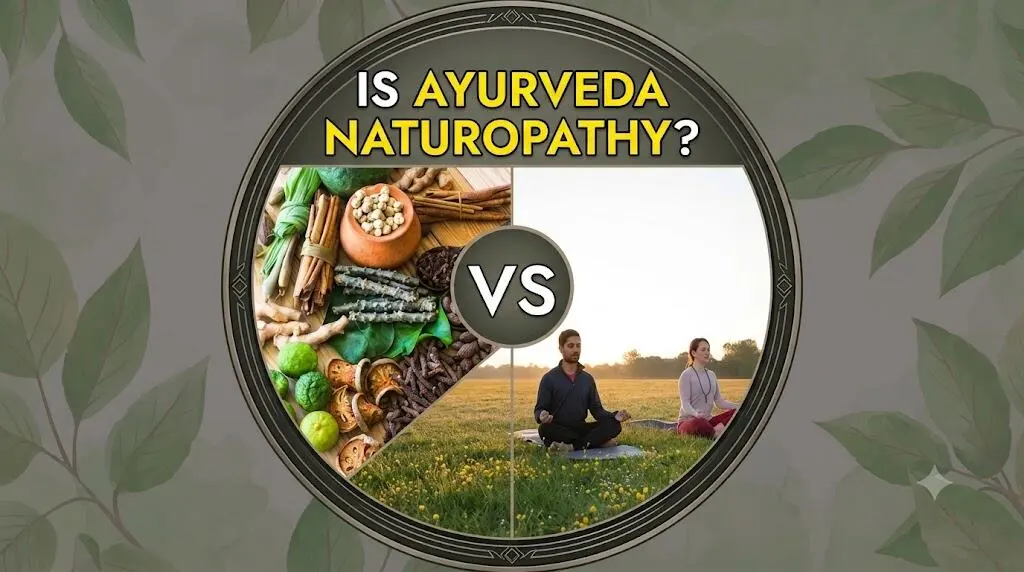
Is Ayurveda Naturopathy? Key Differences & Similarities
Is Ayurveda naturopathy? Understanding whether Ayurveda is naturopathy begins with clarifying how these two popular natural health systems view wellness, disease, and healing. Although both Ayurveda and naturopathy emphasize the importance of holistic care, non-invasive methods, and disease prevention, Ayurveda and naturopathy are two separate schools of medicine that have their own history, theory, and practices. While Ayurveda is a traditional form of medicine originating from India, which aims at achieving balance between body types, naturopathy is a combination of Western natural medicines and practices.
Key Takeaways
- Distinct Origins: Ayurveda originated in India thousands of years ago as a classical medical system, while modern naturopathy developed in 19th-century Europe and America.
- Core Philosophy: Ayurveda focuses on balancing the three fundamental biological energies (Vata, Pitta, and Kapha), whereas naturopathy emphasizes supporting the body's innate self-healing mechanism (vis medicatrix naturae).
- Treatment Focus: Ayurvedic medicine utilizes personalized herbal formulations, specialized oil therapies (Abhyanga), and body cleansing practices; naturopathy relies heavily on hydrotherapy, nutrition, fasting, exercise, and physical modalities.
Navigating the Question: Is Ayurveda Naturopathy?
Key Principles
While both modalities promote natural health, their fundamental principles differ significantly:
- Ayurvedic Tridosha: Ayurveda views health as a dynamic equilibrium between the five natural elements (Panchamahabhutas) expressed through three doshas: Vata (air/space), Pitta (fire/water), and Kapha (earth/water). Disease occurs when these energetic forces become imbalanced.
- Naturopathic Self-Healing Principle: Naturopathy is founded on six core principles, primarily focusing on the healing power of nature. It asserts that the human body possesses an inherent ability to restore health when provided with clean water, fresh air, wholesome food, and adequate rest.
- Diagnostic Approaches: Ayurvedic practitioners diagnose root causes through pulse diagnosis (Nadi Pariksha), tongue evaluation, and constitutional assessment (Prakriti). Naturopaths focus on identifying environmental toxins, nutritional deficiencies, and lifestyle imbalances.
Finding the Answer - Is Ayurveda Naturopathy?
Patient care improves when individuals realize that Ayurveda and naturopathy offer complementary yet distinct natural approaches. The following table details the major differences between Ayurveda and naturopathy across essential health criteria:
|
|
|
|
|
|
|
|
|
|
|
|
|
|
|
|
|
|
|
|
|
|
|
|
How to Choose the Right Natural Path
Clarifying whether Ayurveda is naturopathy helps patients select the right holistic therapy for their specific health needs.
- Select the Best Health Strategy: Opt for Ayurveda if you are interested in highly individualized constitutional balance therapy and traditional herbs; opt for naturopathy if you prefer functional change in your life, fasting, and physical treatments.
- Look For Professional Help: You should approach Ayurvedic physicians (BAMS) or Naturopathic doctors (BNYS or DNYS) who have a formal medical background.
- Evaluate Your Dietary Requirements: If you need an individualized diet according to your body constitution and Agni, go for Ayurvedic nutrition; if you need a whole foods detox program and exclusion diets, approach naturopaths.
- Use Complementary Therapy Carefully: Make sure that all your health specialists know about the herbs and therapeutic fasting that you are trying.
Common Misconceptions
Some of the wrong assumptions are as follows:
- Confusing herbal formulas with general supplements: Using the powerful herbal combinations of Ayurvedic medicine without supervision of a practitioner can be dangerous.
- Unsupervised Fasting: It causes muscle catabolism and metabolic slowdown resulting from uncontrolled naturopathic fasting or detoxification practices.
- Assuming all natural systems are identical: Each natural practice relies on distinct diagnostic frameworks, so applying generic "natural" rules without recognizing these differences can clash with your individual body constitution and worsen imbalances. Improper dietary guidelines may worsen your body's biology.
- Delaying necessary conventional interventions: While natural medicine excels at chronic wellness, relying exclusively on self-administered remedies during acute medical crises can dangerously delay essential, life-saving conventional care.
Precautions
Follow these measures:
- Check Product Quality: Make sure that Ayurvedic herbs and other supplements are tested for heavy metal contamination.
- Do Not Undertake Unsupervised Cleansing Routines: Strong detoxification regimes like Panchakarma or prolonged fasting should always be undertaken under professional supervision.
- Pay Attention to Pre-Existing Medical Conditions: People suffering from type 1 diabetes, serious kidney disorders, or eating disorders need to be cautious about fasting treatments.
Harmonizing Natural Health Choices
Is Ayurveda naturopathy? Although Ayurveda is not naturopathy, both philosophies provide great, proven knowledge in creating health without using only artificial drugs. While Ayurveda gives us a deep understanding of constitutional balance, naturopathy gives us useful techniques in healing through nutrition, lifestyle, and physical exercises. Knowing their distinct characteristics can help you choose the right path to your own good health.
Frequently Asked Questions (FAQs)
1. Is naturopathy and Ayurveda the same?
Ayurvedic massage uses warm, herb-infused oils tailored to your body type (dosha) to balance metabolic energies. Naturopathic massage focuses on improving blood circulation and relieving muscle tension using hydrotherapy techniques.
2. Does AYUSH include naturopathy?
Yes. The Ministry of AYUSH in India oversees traditional health systems, where "AYUSH" stands for Ayurveda, Yoga & Naturopathy, Unani, Siddha, and Homoeopathy.
3. Is naturopathy a real medical practice?
Naturopathy is a recognized system of alternative medicine grounded in evidence-based lifestyle changes, clinical nutrition, and natural therapies, provided it is practiced by qualified, certified professionals.
4. Is naturopathy equal to MBBS?
No. MBBS is a degree in conventional allopathic medicine focusing on pharmaceutical, surgical, and acute clinical interventions, whereas BNYS (Bachelor of Naturopathy and Yogic Sciences) is a distinct degree focusing on non-pharmacological, natural, and lifestyle-based therapies.
Disclaimer: The content on LifePositive.com, including articles/blogs on yoga, acupuncture, naturopathy, and other alternative healing modalities for holistic wellness, is for informational and educational purposes only. It is not a substitute for professional medical advice, diagnosis, or treatment. Always consult a qualified healthcare provider before starting any new health protocol or making changes to an existing treatment plan.
Also Read: Yoga for hip flexors
By Umesh Kumar Khiri



Discussion (0)
No comments yet. Be the first to comment!
Leave a Comment
You need to login to post a comment.