Yoga for Hips: 5 Best Poses
Practising targeted yoga for hips helps strengthen the glutes while restoring natural mobility to your lower body. It unlocks tight joints, builds functional strength, and restores balance across your entire body.
The hips form the body’s largest joint complex, comprising the pelvis, hip joints, surrounding muscle groups, and dense connective tissue. Acting as the bridge between your upper and lower body, the hips bear the primary weight of modern life. Prolonged sitting, lack of movement, and stress often cause hip flexors to shorten and glutes to weaken, leading to posture issues, stiffness, and joint fatigue.
Incorporating gentle yoga for hips into your routine offers a holistic approach to lower-body health.
Key Takeaways
- Targeted Tension & Fat Release: Practising gentle yoga for hips combines deep muscle opening with metabolic movement to release stored stress and tone lower-body muscle groups.
- Upstream Relief for Joints: Releasing tight hip flexors and strengthening glutes addresses the root cause of chronic lower back pain and knee discomfort.
- Consistency Over Force: Daily, mindful movement yields far better hip mobility and joint stability than aggressive or occasional stretching.
Gentle Yoga for Hips: How It Helps
No matter how many hours you sit at your desk or how much you wish to improve your athletic skills, lower body movements are crucial. Dedicated sessions of gentle yoga for hips relieve excess strain on the lower back and knees by improving pelvic alignment.
The advantages of doing yoga for hips include the following:
- Restoring Joint Movement: Loosens up hip flexors, internal rotators, and inner thigh muscles which have become tight due to sitting.
- Glute Toning: Works on the posterior chain to tone hip and thigh area.
- Reduces Back and Knee Pain: Fixes pelvic alignment to prevent extra load on the lumbar vertebrae and knees.
- Helps Release Tension: Promotes deep breathing to release tension that is stored in hips.
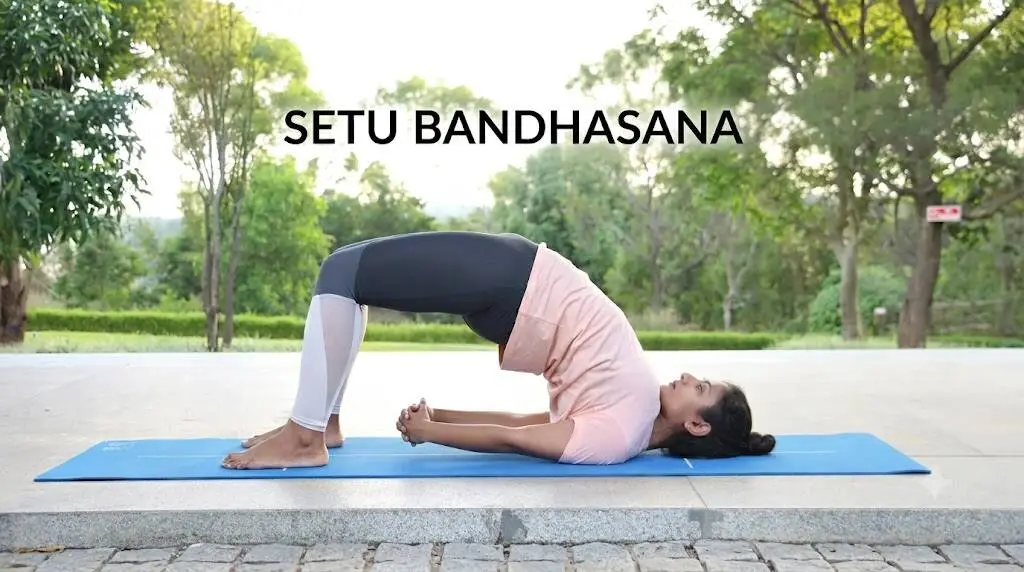
Best Yoga for Hips - Build Strength
When practising yoga for hips, avoid forcing your body into deep holds. Move smoothly, respect your range of motion, and use props like blocks or blankets whenever necessary.
|
|
|
|
|
|
|
|
|
|
|
|
|
|
|
|
|
|
|
|
|
|
|
|
Important Safety Tips while Performing Yoga for Hips
- Knee Support: In lunges or pigeon pose, always keep a folded blanket under your knee that is not in front position.
- Don’t Force It: You should never force your knees to touch the floor in any sitting poses; just let gravity and breath take care of it.
- Extend Your Spine: Concentrate more on extending your spine than in rounding your back for a deeper stretch.
Final Thoughts
Good hip mobility is a basic component of fluid movement, structural integrity, and the absence of any pain in the lower body. With just a little focus each day on moving, you can undo the damage of living an inactive life, gain some strength in the legs, and become physically light-footed. Be kind to your body and its limitations and take your time to do it.
Frequently Asked Questions (FAQs)
1. Does yoga for hips decrease lower back pain?
Yes, it does. Tight hip flexors cause excessive tension in the lower back because they pull the pelvis forward. Yoga for hips relaxes tight muscles and builds up the glutes, returning the natural alignment of the spine.
2. How fast can one feel better in terms of hip mobility?
Practising yoga for hips daily for 15-20 minutes allows one to see the effects in 3-4 weeks.
3. Is it okay for men to perform hip yoga?
Certainly. Men usually have a lot of tension in hip flexors, hamstrings, and lower back due to a sedentary lifestyle and/or lifting heavy things.
Disclaimer: The content on LifePositive.com, including articles/blogs on yoga, acupuncture, naturopathy, and other alternative healing modalities for holistic wellness, is for informational and educational purposes only. It is not a substitute for professional medical advice, diagnosis, or treatment. Always consult a qualified healthcare provider before starting any new health protocol or making changes to an existing treatment plan.
Also Read: Yoga Nidra
By Umesh Kumar Khiri



Discussion (0)
No comments yet. Be the first to comment!
Leave a Comment
You need to login to post a comment.