
Eat Healthy for a healthy baby
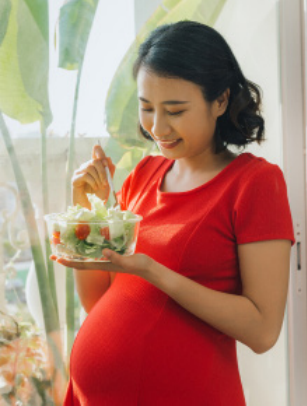
Naini Setalvad requests pregnant ladies to read this article to ensure that they become the mothers of well-nourished babies
Pregnancy introduces a host of
physiological and emotional changes in a woman. Advice pours in from all quarters: from well-meaning friends and family members to colleagues at work. Even perfect strangers have been known to put in their two bits when it comes to commenting on a pregnant woman’s health. In the face of often-contradictory advice—especially regarding one’s diet—it may be hard for a mom-to-be to make her choices.
The most important thing you need to remember is that you are not eating for two people. The biggest myth about pregnancy is that one needs to eat double their normal intake of food. In reality, you are eating for one plus one very small being. Women only need to consume an extra 300 calories per day. Far from being a time for overindulgence, pregnancy is, in fact, a time to sensibly eat healthy food. Here are a few foods you must include to nourish yourself and your baby well:
Organic and natural foods: In a world where everything comes in a package, I want you to think outside the box, quite literally. Eat food made with fresh ingredients containing minimal additives and preservatives. Using local and seasonal produce will ensure you are consuming fewer pesticides.
Seasonal vegetables: Eating fresh and locally sourced seasonal vegetables is a must. They provide you with all the essential vitamins and fibre required during pregnancy while keeping sugar levels and cholesterol in check. Make sure 50 per cent of each meal comprises vegetables.
Fresh fruit: Having two fruits daily is a must. Bananas keep your blood pressure low, and the serotonin it contains keeps you pepped up
throughout the day. Eat seasonal fruits and dried fruits like figs and prunes. They will increase calcium and iron levels to prevent constipation, lower blood pressure, and satisfy your sweet cravings. One of each is good enough to see you through the day.
Sugar and jaggery can cause gestational diabetes
Whole grains (B vitamins): “If you don’t eat jaggery and sugar, then where will you get your energy from?” This is what every well-meaning elder will suggest, and here is your befitting reply: “Yes, sugar and jaggery do give energy, but they are addictive. Having an excess of these puts pregnant women at risk of getting gestational diabetes. Instead, get your energy from a wide range of whole grains like whole wheat, rice, millet, and barley. These provide a steady supply of energy without any sugar spikes or crashes. Rich in fibre, they not only keep you satiated but also provide B vitamins essential for the baby’s growth.
Lentils and legumes (folate): What better source of adequate protein for the growing muscles and tissue of the baby than plant based lentils and legumes? Their other benefit is that they are rich in folate, which is essential
Food 41
for the baby’s neural growth. A diet deficient in folate puts the baby at risk of suffering from neuro-degenerative disorders. Soak whole pulses overnight before cooking, to prevent flatulence.
Healthy fats: Fats simply can’t be ignored, whether you are pregnant or not. Fats help absorb vitamins A, D, E, and K, and phytochemicals found in spices, herbs, and vegetables. A pregnant woman requires a larger dose of these vitamins so that they get passed on to the baby. Sources like cow’s ghee and coconut, peanut, and seed oils are a good source
Cow’s ghee and coconut oil absorb essential vitamins
Calcium-rich foods: Calcium is the raw material for your baby’s growing bones which you get by consuming green leafy vegetables, nuts, yoghurt, and milk. It is extremely essential to meet your calcium requirements when pregnant as low
intake can lead to osteoarthritis in
the mother.
Iron-rich foods: Iron is best
sourced from beet, leafy greens,
and prunes. But remember that it is a highly toxic material which can damage the liver if over-consumed.
Vitamin D: It is very essential for the growth of the foetus as well as for brain development, so please take in some sunlight daily and consume healthy fats in small amounts to help the absorption of vitamin D.
Water: This elixir of life is often ignored, but it truly is the miracle cure for
everything. Having plenty of water ensures that digestion is intact, p r e v e n t i n g constipation and
flatulence. When digestion vis poor, you feel irritable and cranky. Hence, don’t skip out on this mood stabilising liquid.
The intelligence and mental faculty of a child depend a lot on the mother’s diet during pregnancy. Consult your physician and take the supplements advised. A balanced, healthy diet is extremely essential to get you and your baby off to a good start.
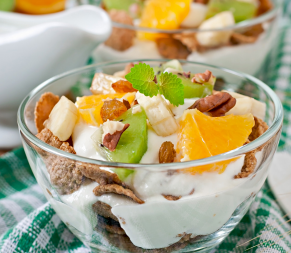
MUNG PALAK CHAAT
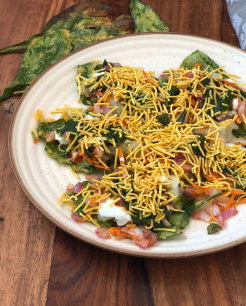
Ingredients
50 gm green mung
1 bunch palak (spinach), finely chopped
1 onion, finely chopped
2–3 garlic cloves, finely chopped (optional)
1–2 green chillies, finely chopped
½ tsp jeera (cumin) powder
½ tsp chaat masala (optional)
½ lemon, juiced
1 tsp ghee/ butter/ oil at liquid consistency
Salt to taste
Method
1.Par boil the mung.
2.Heat oil in a pan and sauté the onion and
garlic for two minutes.
3.Add palak and sauté for another five minutes.
4.Add mung, green chillies, salt, jeera, and
chaat masala, and cook for two minutes.
5.Squeeze lemon and serve hot.Mung palak chat
Discussion (0)
No comments yet. Be the first to comment!
Leave a Comment
You need to login to post a comment.