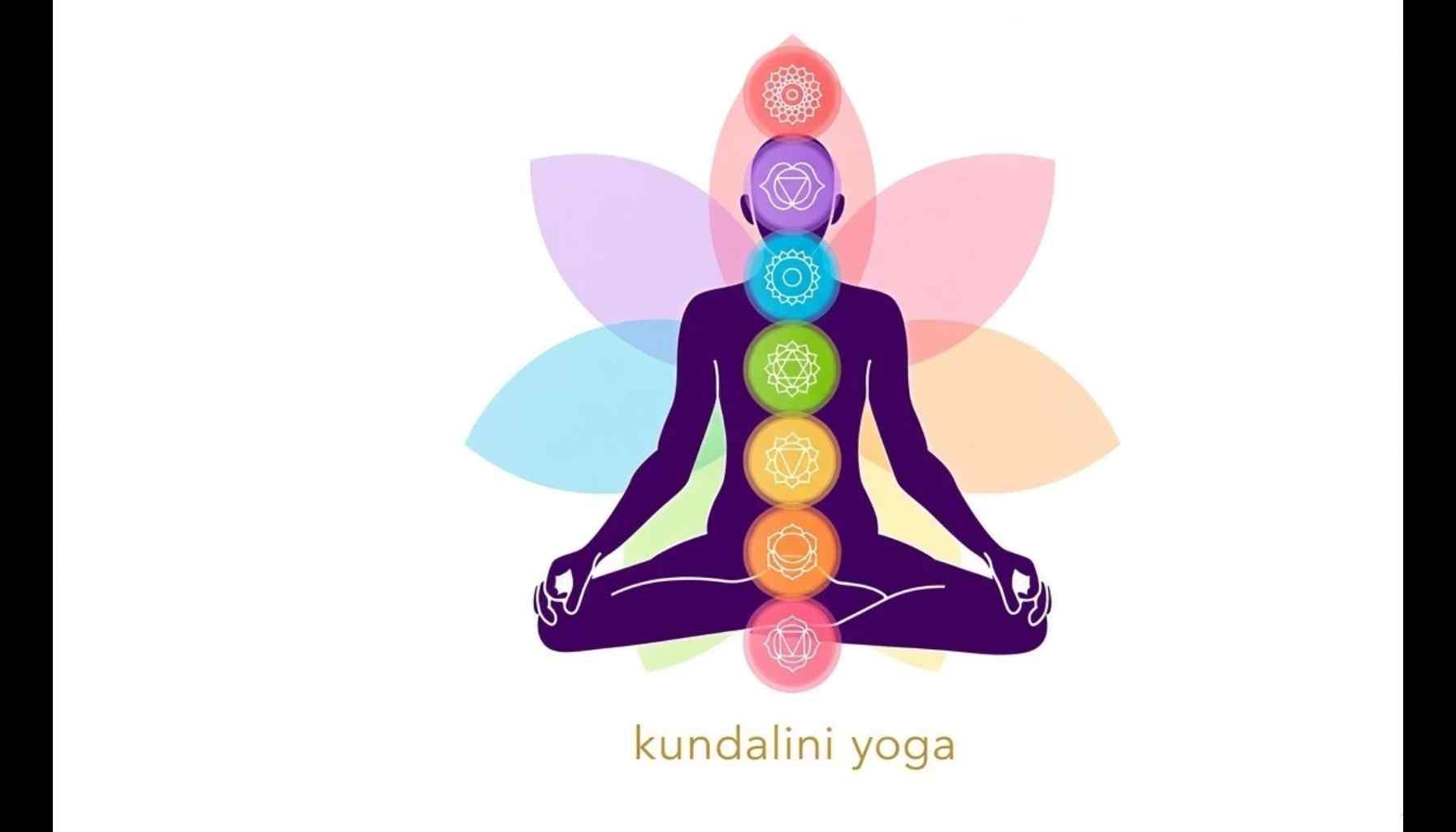
Kundalini Yoga: Awaken Your Energy
Kundalini yoga unlocks the spiritual energy that is asleep in the lower part of your spine. Yoga is done through various movements, breathing exercises, hand gestures, and chanting of mantra. Dynamic chanting will help remove any mental blocks unconsciously existing in your mind.
Practising kundalini awakening yoga transforms your physical vitality rapidly. It expands mental clarity and deepens spiritual connection. Every class follows a structured framework. Sessions combine physical movement with deep meditation. This holistic approach fosters inner harmony effectively.
Understanding the Essentials of Kundalini Yoga
Kundalini yoga harmonizes your mind and body through specific energy cleansing practices. Energy that is stored in your body gets freed from within the central pathways. The dormant energy travels up your spine. Through this process, heightened states of consciousness are attained.
Engaging in the practice of kundalini awakening yoga boosts your magnetic field. Intuition gets refined, and emotional stability is achieved gradually. By spending time practicing it, you get your inner body purified.
Regular sessions enhance focus and spiritual awareness. You experience deep inner peace and vitality daily.
Key Takeaways
-
Energy Awakening: Unlocks dormant spinal energy to boost vitality.
-
Nervous System Balance: Strengthens nerve pathways using rhythmic breathwork patterns.
-
Mental Clarity: Quiets mental chatter using powerful focused mantras.
History and Origins of Kundalini Yoga
The origins of Kundalini yoga can be traced to the Vedic scriptures that date back to 1000 BCE. As a tradition that was always considered to be confidential in nature, being transferred from teacher to student only, this yoga was developed on Tantric and Hatha Yoga principles in order to release spiritual energy.
Kundalini Yoga vs Traditional Hatha Yoga
Some of the common features of Kundalini Yoga and static Hatha Yoga are as follows:
|
|
|
|
|
|
|
|
|
|
|
|
|
|
|
|
|
|
|
|
|
|
|
|
Biomechanical and Energy Mechanics of Kundalini Yoga
As you transition into more advanced breathwork, kundalini awakening yoga serves as a vital tool for harmonizing internal energy channels.
-
Kundalini exercises work your endocrine and nervous systems together. Rhythmic motions enhance the fluid dynamics of the spinal cord.
-
Breath of Fire heats up the metabolic organs within you. It detoxifies the oxygen channels in your blood fast.
-
Sacred sound chanting creates vibrations in your brain. These vibrations massage your pituitary and pineal glands.
-
Certain hand postures guide energy through nerves on fingertips. They stimulate brain centers effectively.
-
The points of focus of the eyes balance the cerebral hemisphere functions. Gazing at the third eye improves concentration.
-
Spinal stretches make your spinal vertebrae more flexible. Flexible spinal vertebrae ensure proper functioning of nerves in the torso.
How to Perform Kundalini Yoga
Follow these steps to practice Kundalini Yoga:
1. Sit Comfortably: Sit in an easy pose with a straight spine that is vertically oriented.
2. Lift the Arms: Raise your arms to an angle of 60 degrees above your head.
3. Finger Position: Curve your fingers on the palm pads and stretch out your thumbs.
4. Start the Breath of Fire: Close your eyes and start deep breathing.
5. End and Release: Breathe in deeply, bring your thumb tips together above your head, and breathe out.
Detailed Breakdown of a Standard Kriya Practice
Practising kundalini yoga regularly ensures that your nervous system adapts smoothly to higher levels of vital life force.
-
A Kriya consists of specific actions performed in an exact sequence. Each movement serves a distinct energetic purpose.
-
Classes open with the Adi Mantra recited three times. This tune-in connects you to higher guidance.
-
Warm-up exercises loosen your spine and hips. Spinal rolls and cat-cow stretches prepare your body.
-
The main Kriya sequence combines targeted postures with active breathwork. Follow time limits strictly for safety.
-
Practicing kundalini awakening yoga requires deep focus during physical holds. Push past mild resistance mindfully.
-
Deep relaxation follows the vigorous physical Kriya. Lie flat in Shavasana to integrate energetic shifts.
-
Class concludes with a meditation using mudras or mantras. Close with the long Sat Nam chant.
Health Conditions Managed by Kundalini Yoga
Regular practice of Kundalini awakening yoga can provide relief from the following conditions:
-
Chronic Stress: Rapid breathing patterns activate parasympathetic nerve responses.
-
Mild Depression: Chanting releases endorphins and enhances serotonin production naturally.
-
Cognitive Fatigue: Focused meditation improves memory retention and spatial attention span.
-
Weak Immunity: Dynamic motions stimulate lymphatic drainage across the entire body.
-
Emotional Trauma: Releasing energy knots clears stored grief from body tissues.
-
Low Stamina: Sustained holds rebuild adrenal system health and physical endurance.
Essential Breath Techniques
Follow these breathing techniques for Kundalini practice:
-
Breath of Fire is a foundational breathing technique. It uses rapid, rhythmic abdominal contractions.
-
Inhales and exhales remain equal in length and force. Focus entirely on the navel point, pumping continuously.
-
Long Deep Breathing slows down your heart rate. It expands lung capacity through complete abdominal fill.
-
Sitali Pranayama cools your internal body temperature. Inhale air through a curled tongue to lower heat.
-
Left Nostril Breathing induces deep relaxation and peaceful sleep. Right Nostril Breathing boosts physical energy levels instantly.
-
Always maintain posture integrity while practicing advanced breathwork. Stop if you feel lightheaded or dizzy.
Key Precautions
Follow these measures while practising Kundalini Yoga:
-
Avoid During Pregnancy: Skip forceful abdominal breathwork like Breath of Fire.
-
Listen to Your Body: Reduce movement intensity if feeling dizzy or overwhelmed.
-
Keep Spine Straight: Maintain vertical spinal alignment to allow clean energy flow.
-
Rest When Needed: Integrate pauses between exercises to avoid nervous system burnout.
Guidance on Injury Prevention
Always warm up your spine and hamstrings before attempting dynamic Kriyas to protect your back and joints from sudden strain. Listen carefully to your body's limits, avoiding forceful breathwork or aggressive movement or overextensions whenever you feel sharp pain or dizziness.
Integrating Kundalini Yoga into Daily Life
-
Start your morning with a short ten-minute Kriya practice. Morning sessions set a clear, focused tone.
-
Designate a clean, quiet space for your daily practice. Sitting on a sheepskin or cotton rug insulates energy.
-
Wear loose, comfortable white clothing during sessions. White cloth reflects negative energy and expands your aura.
-
Stay consistent with your chosen meditation for forty days straight. Forty days breaks old subconscious habits.
To Conclude
Kundalini yoga offers a transformative pathway for mental clarity, physical endurance, and spiritual growth. Connecting breath, movement, and sound awakens powerful subtle energy within your body.
Consistent Kriya practice strengthens your nervous system against daily stressors. It purifies your mind and dissolves deep emotional blockages effectively. Always respect your current physical limitations while exploring energetic practices. Allow integration time after every session for optimal holistic wellness benefits.
Enrich your personal spiritual journey by regularly practicing Kundalini yoga.
Frequently Asked Questions
1. What does Kundalini Yoga do?
Kundalini Yoga awakens dormant energy at the base of the spine. It balances your nervous system and enhances mental clarity.
2. What is Kundalini Yoga and its benefits?
Kundalini Yoga combines physical postures, breathwork, and chanting to build energy. Its benefits include stress relief, emotional balance, and increased stamina.
3. What's the difference between yoga and Kundalini Yoga?
Traditional yoga focuses primarily on physical alignment and postures. Kundalini Yoga combines breath, chanting, and movement to shift energy quickly.
4. Is Kundalini Yoga good for beginners?
Yes, beginners can practice Kundalini Yoga safely by modifying postures. Beginners should take breathwork at their own comfortable pace.
Disclaimer: The content on LifePositive.com, including articles/blogs on yoga, acupuncture, naturopathy, and other alternative healing modalities for holistic wellness, is for informational and educational purposes only. It is not a substitute for professional medical advice, diagnosis, or treatment. Always consult a qualified healthcare provider before starting any new health protocol or making changes to an existing treatment plan.
Also Read: Dandasana
By Umesh Kumar Khiri

Discussion (0)
No comments yet. Be the first to comment!
Leave a Comment
You need to login to post a comment.