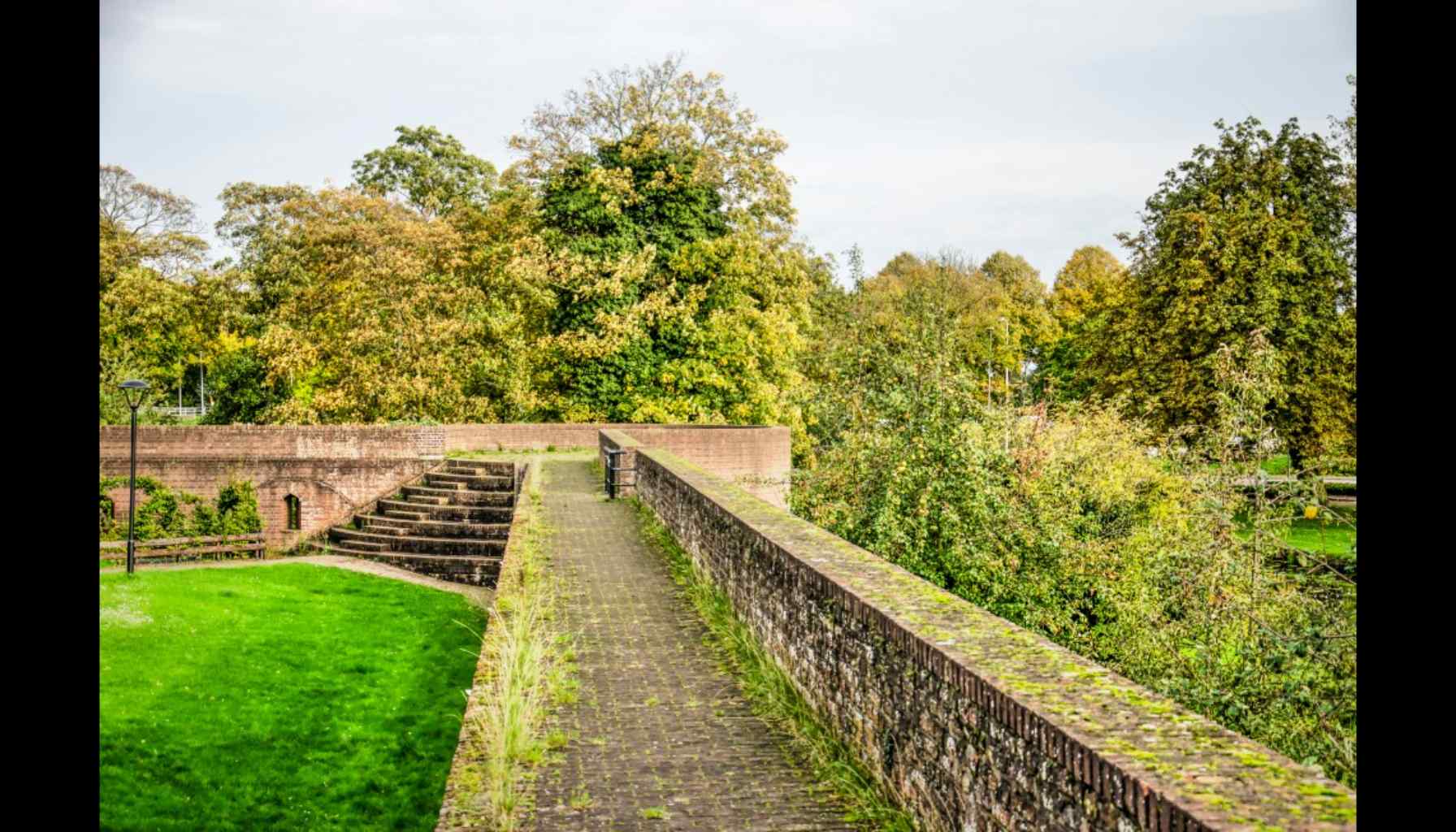
London creates rubble gardens
The creation of gardens from rubble is a powerful and enduring part of London's story, born from the devastation of the Second World War and continuing today as a symbol of resilience, community, and regeneration.
The Wartime Origins: "Dig for Victory"
The most direct origin of "rubble gardens" lies in the Blitz during the early 1940s. As bombs devastated parts of London, residents and the government looked for ways to make use of the ruined land.
Turning Bomb Craters into Gardens: As early as 1942, bomb craters were being transformed into gardens. In one instance, a crater near Westminster Cathedral was turned into a vegetable patch, tended by a Mr. Hayes, while members of the National Fire Force worked on a nearby allotment created on rubble-strewn land .
The "Dig for Victory" Campaign: This spirit was part of the national "Dig for Victory" campaign, which encouraged people to grow their own food. Even in places like Hyde Park, where a large pyramid of rubble from destroyed buildings was piled, citizens created productive gardens. They creatively repurposed bricks from a 250-year-old blitzed house and salvaged glass and frames to build hot boxes for their crops .
The Post-War Legacy: Community and Renewal
The impulse to create green spaces from ruins continued long after the war, evolving into a powerful form of community action and artistic expression.
A Symbol of Community Action: In the 1970s, the City of London saw the creation of the Cleary Garden, named after Fred Cleary. The garden was established on the site of a house destroyed in the Blitz, thanks to a shoemaker named Joe Brandis, who personally brought soil from his garden in Walthamstow to start it. Today, it's a beautiful, protected nature site .
The Rise of Community Gardens: The 1960s counterculture movement and a growing environmental awareness led to communities taking ownership of vacant spaces, many of which were still bomb sites. This gave rise to London's community garden movement, where locals transformed neglected land into thriving hubs
Modern Examples: From Bomb Sites to Biodiversity Hubs
The legacy of rubble gardens is still visible today, with several remarkable projects that creatively use their wartime history.
Bethnal Green Nature Reserve: This is a prime modern example. Once a bomb site, it was fenced off and rewilded before being transformed into a vibrant community nature reserve . It now features a "medicine garden" with over 30 varieties of edible and medicinal plants, grown to demonstrate the city's generative potential. It has become a cherished local space, with around 500 residents holding keys for access .
The Story Garden in King's Cross: A contemporary take on the idea. This new community garden, built on a site between two railway tracks, intentionally includes a "rubble garden" as one of its many sustainable features, directly linking the city's history with modern ecological design .
The Horniman Museum's Rubble Garden: Demonstrating the enduring appeal of the concept, the Horniman Museum and Gardens recently created its own "rubble garden" using building waste. The goal is to create a beautiful, low-maintenance, and drought-resistant habitat that is well-suited to a changing climate .
Beyond gardens, the spirit of these spaces also inspired a form of play. In the 1950s, landscape architect Marjory Allen campaigned to turn London's bomb sites into supervised "adventure playgrounds"—also known as "junk playgrounds"—where children could play creatively with sand, tools, and old bricks .
By Jamuna Rangachari


Discussion (0)
No comments yet. Be the first to comment!
Leave a Comment
You need to login to post a comment.