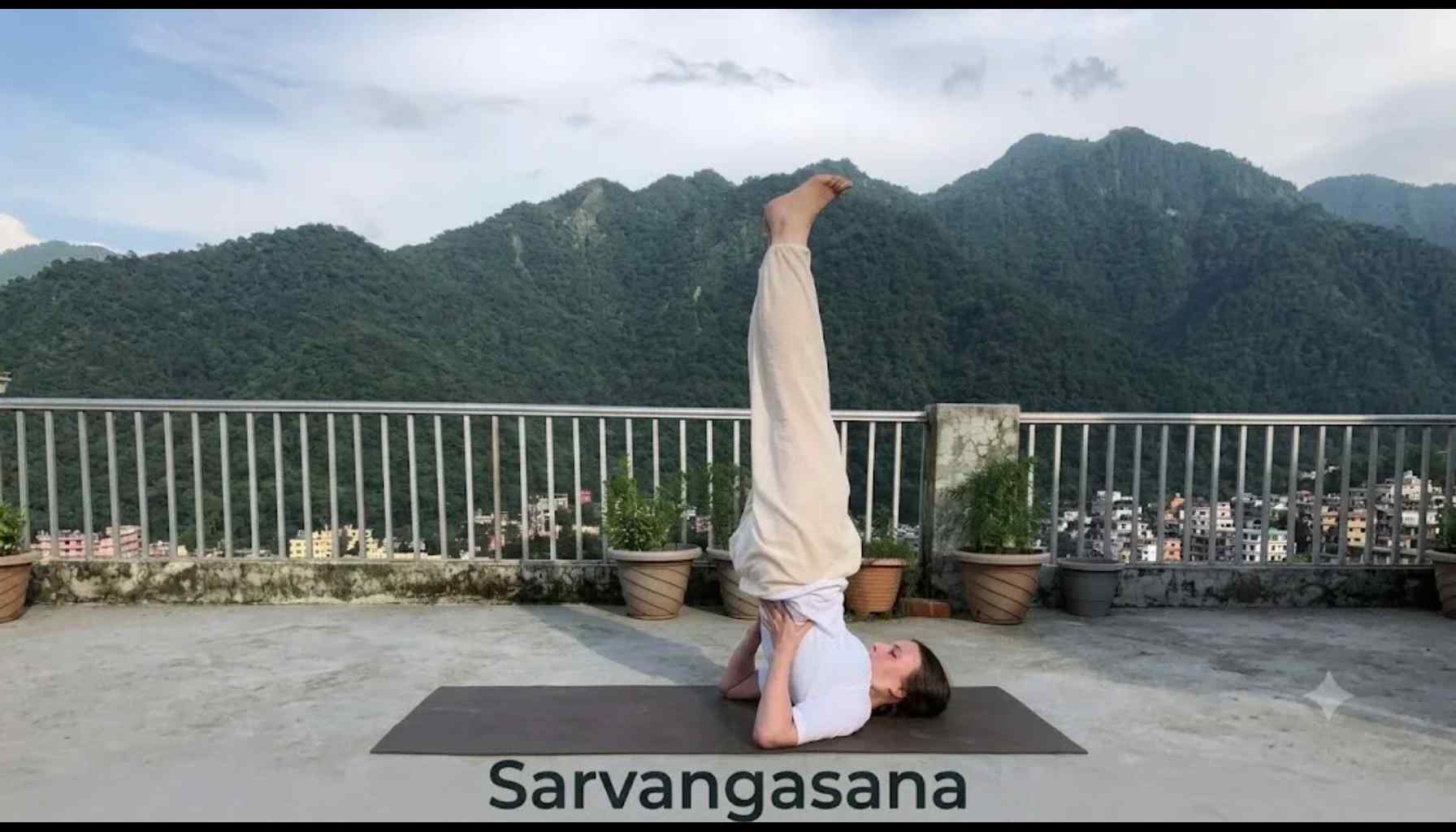
Sarvangasana: Wellness Benefits
Sarvangasana, traditionally translated as the Supported Shoulderstand, translates from Sanskrit to mean "all limbs posture" (Sarv = all, Anga = limb, Asana = posture). Regarded across classical Hatha systems as a restorative powerhouse, this full-body inversion reverses gravitational pull on the circulatory system, promoting lymphatic drainage and mental clarity. By resting weight across the upper shoulder shelf rather than the cervical spine, practitioners safely access profound systemic revitalization.
Key Takeaways
- Endocrine & Thyroid Activation: Squeezes and stimulates the thyroid and parathyroid glands to help regulate metabolic function.
- Venous Return & Lymph Drainage: Reverses blood flow from the lower extremities, relieving fatigue in the legs and boosting cardiac return.
- Parasympathetic Regulation: Calms the central nervous system through mild chin-lock pressure, helping reduce stress and anxiety.
Mastering Sarvangasana: Practice & Variations
Executing Sarvangasana requires strong upper-back engagement and proper scapular support to keep weight off the delicate cervical spine. Using a folded blanket beneath the shoulders creates necessary space for the neck to remain protected.
Variations of Sarvangasana
Some of the common variations of Sarvangasana are as follows:
|
|
|
|
|
|
|
|
|
|
|
|
|
|
|
|
|
|
|
|
|
|
|
|
|
How to Perform Sarvangasana
Practising Sarvangasana helps stimulate the thyroid gland by creating a gentle chin lock against the chest. Follow these steps:
- Create the Base Position: Place yourself on your mat with arms resting at your sides, hands pressing down firmly onto the ground.
- Leg and Hip Lift: As you exhale, lift your legs and hips up towards your chest, creating a half plow position.
- Support the Spine: Bend your arms and place your hands flat on your back with the thumbs pointing towards your waist.
- Vertical Extension: Walk your hands down your back until they reach your shoulder blades as you lift your legs up straight.
- Rest and Return: Relax your face and neck muscles and breathe for 30-60 seconds before gently lowering your spine back down one vertebra at a time.
Health Conditions Managed by Sarvangasana
Integrating Sarvangasana into your daily routine can relieve leg fatigue, boost venous return, and quiet the central nervous system.
- Thyroid & Metabolic Sluggishness: Stimulates thyroid hormone production through gentle chin pressure against the sternum.
- Venous Insufficiency & Leg Swelling: Drains pooled venous blood and fluid from lower limbs, relieving heavy legs and varicose vein discomfort.
- Insomnia & Nervous Stress: Activates the parasympathetic nervous system to ease restlessness, anxiety, and sleep disturbances.
- Mild Digestive Discomfort: Relieves gravitational pressure on lower organs, promoting intestinal motility and constipation relief.
Key Precautions
Follow these measures while practising Sarvangasana:
- Neck Injury: Avoid practicing if you have active cervical disc issues, neck pain, or recent cervical spine trauma.
- High Blood Pressure & Glaucoma: Skip full inversions if you suffer from uncontrolled hypertension, heart conditions, or increased ocular pressure.
- Menstruation: Avoid during heavy flow days to prevent reversing natural physiological flow.
- Pregnancy: Avoid full shoulderstands in later stages unless highly experienced; opt for wall-supported variations instead.
To Conclude
Sarvangasana is one of the most powerful yoga poses that rejuvenates the whole body. Practising it properly by providing shoulder support and making sure that the neck is not at risk of any harm while continuing to breathe, you will be able to enjoy this pose’s revitalizing effects and gain better health. It ensures healthy endocrine system function, improved blood flow to the lower extremities and relief from everyday stresses.
Frequently Asked Questions
1. What is the main benefit of Sarvangasana?
Sarvangasana boosts circulation and drains stagnant fluid from the lower body while revitalizing the thyroid gland. It also calms the nervous system, helping relieve stress and fatigue.
2. Why is Sarvangasana called the Queen of Asanas?
It is called the Queen of Asanas because of its nurturing, soothing effects on the entire mind-body system.
3. Who should avoid Sarvangasana?
People with severe neck injuries, high blood pressure, heart conditions, or glaucoma should avoid Sarvangasana. It should also be avoided during menstruation or pregnancy unless under expert guidance.
4. How long should you hold Sarvangasana?
Beginners can hold Sarvangasana for 30 to 60 seconds. Advanced practitioners may gradually build up to 3 to 5 minutes while maintaining steady breath.
Disclaimer: The content on LifePositive.com, including articles/blogs on yoga, acupuncture, naturopathy, and other alternative healing modalities for holistic wellness, is for informational and educational purposes only. It is not a substitute for professional medical advice, diagnosis, or treatment. Always consult a qualified healthcare provider before starting any new health protocol or making changes to an existing treatment plan.
Also Read
By Umesh Kumar

Discussion (0)
No comments yet. Be the first to comment!
Leave a Comment
You need to login to post a comment.