
Skin care how far should you stretch it
August 2023
While collagen supplements can be helpful for the skin, don’t let them supersede the
importance of diet and lifestyle, cautions Lata Agarwal
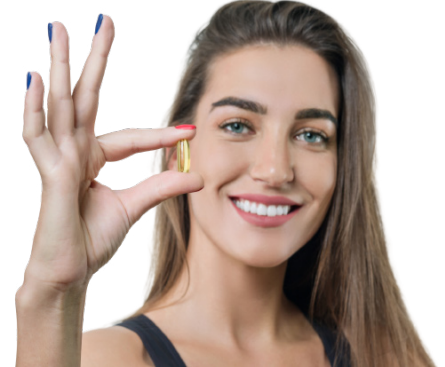
Age is inevitable, but ageing isn’t. For centuries, the search for the elixir of youth has continued to obsess (and elude) mankind. Having embraced my
40s now, I get why people hesitate to look closely in the mirror, dreading those fine lines. I now understand the shock and disbelief that comes
with discovering crow’s feet, or why people jump into the face yoga bandwagon, buy that oil, and start those lifts and stretches. Truth be told, age will catch
up. Youth will have to step back, and the skin will begin to lose its freshness, elasticity, and plumpness, bit by bit, with each passing
day.
Blame it on collagen. Collagen is the main structural protein in the body. Its fibrous structure is used to make connective tissue and is a major component of bones, skin, muscles, cartilage, tendons, and ligaments. It is also the most abundant protein that our body produces naturally. Our skin gets its structure, suppleness, and stretch from collagen. There are several types of collagens, but our body mainly consists of Type I, II, and III. Types I and III are of greatest relevance when it comes to skincare. But as we age, collagen production depletes, and our once tight, plump skin loses its strength and elasticity, gradually giving way to lines and wrinkles, leading to sags and folds.
Collagen: the next big thing
A New York-based dermatologist, Dr Whitney Bowe, described our body’s collagen as “ropes
of protein in the skin.” The rope remains tight when young, but as we grow older, the ends begin to fray. Unfortunately, our bodies are unable to keep up with the speed of collagen loss, and replacement happens slowly, leading to signs of ageing.
This explains why collagen is made out to be the Next Big Thing in modern skincare, both offline and online. Be it a pharmacy, skincare store, or your Instagram feed, collagen supplements are the highlight, or more so, the knight in shining armour, promising to rescue your maturing skin and reverse ageing. Who wouldn’t love that? But the question remains: Are collagen supplements really worth it?
Typically sold in the form of pills and powders, oral collagen supplements are available widely
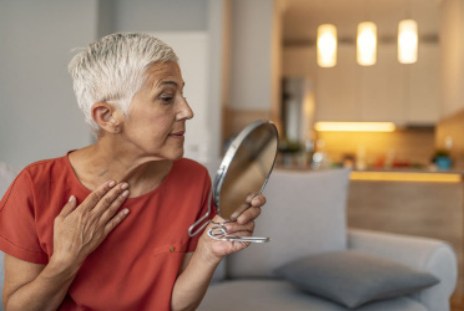
Can collagen restore what time steals away?
Beauty 55
as collagen hydrolysate, hydrolysed collagen, or collagen peptides. Claiming to restore what age takes away from you, these supplements have now found a place in people’s morning coffees, teas, or smoothies in a bid to support the health of their skin and hair, bones and joints.
The research
However, extensive research regarding the efficacy of these supplements is lacking, and whether ingested collagen does what it is purported to do is riddled with doubts. While long-term clinical trials are yet to establish collagen intake as an anti-ageing miracle, controlled research and randomised trials of certain collagen products are showing possibilities for skin and joint health improvement. The consumption of hydrolysed collagen peptides, a smaller form of collagen, has reported positive results with effective absorption and benefits in ageing skin and bones.
This is significant as these oral supplements are hard to digest and absorb. A large molecule like collagen cannot be absorbed by the body while it’s intact, in its whole form; so, it must be broken down into smaller peptides or amino acids for absorption. Collagen supplements, therefore, are already broken down into shorter chains of peptides of two or three amino acids to assist in their digestion and absorption, increasing their absorption into the bloodstream and thereby enhancing their bioavailability.
Since collagen depletion also leads to a loss of cartilage and joint problems as we age, trials show notable differences in joint mobility and decreased joint pain in cases of osteoarthritis and in athletes with supplementation.
The grey area
Nevertheless, doctors remind us that we can never be sure how much of the supplement is effectively absorbed by the body and where those peptides actually end up. Whether they find their way to the target organs to make more collagen is also debatable. But the human body is intelligent and will prioritise areas that are in dire need of the protein first, so one may expect to feel better in some way or the other while ingesting these dietary supplements.
Oral collagen supplements do seem worth a try and are generally considered safe, but it is important to read labels carefully before starting to consume these products. Supplements are usually combined with various other ingredients which might not be well-tolerated by everyone and could pose potential health risks. For instance, certain herbal extracts and high doses of vitamins included in supplements to improve skin, nails, and hair conditions might interact with commonly prescribed medications, cause allergies and could also prove unsafe for pregnant or breastfeeding women. Although there are no high risks or serious side-effects involved with collagen supplements, one must exercise caution and consult a healthcare professional before popping that pricey pill.
The dietary way to boost collagen
“Diet plays a surprisingly large role in the appearance and youthfulness of your skin,” says certified holistic nutritionist Krista Goncalves, a certified holistic nutritionist (CHN). “And that all comes down to collagen.” Now that is good news, isn’t it!
Taking the food-first approach to combat collagen loss could be a more sustainable and effective regimen for anti-ageing. We must not be blinded by the flamboyance and glamour of the supplement fad, as a healthy diet and lifestyle are the cornerstone for lasting youth and vigour. There is no substitute for eating, sleeping, and exercising right. Also, supplements can add value only when essential lifestyle factors are in order.
Protein-rich foods like chicken, fish, eggs, tofu, soy, legumes, and whole grains boost collagen production as they contain the amino acids that make collagen. In addition, natural collagen is found abundantly in animal flesh like meat and fish that contain connective tissue. Bone broth is recognised as one of the most potent sources of collagen, prepared by simmering animal bones for long hours. Bone broth made of bones and connective tissue, contains a host of vital nutrients like calcium, magnesium, phosphorous, collagen, glucosamine, chondroitin, and amino acids, hence offering hefty doses of anti-ageing collagen.
Fruits and veggies win hands down What’s more, foods containing antioxidants such as Vitamin C have a significant role to play in reversing inflammation in the body and slowing collagen loss. Citrus fruits like oranges, lemons, grapefruit, and limes are full of this nutrient, but berries too are an excellent source. Raspberries, blueberries, and blackberries provide huge amounts of Vitamin C to the body and reduce oxidation considerably, thus preventing collagen damage. Other nutrients that bolster the process of collagen production include zinc and copper.
A 2012 review of nutrition and ageing stated that fruits and vegetables rich in vitamins and minerals were the safest and healthiest harbingers of good skin health. Tropical fruits like guava, kiwi, pineapple, and mango are reliable sources of Vitamin C, and zinc. Vegetables like tomatoes, bell peppers, leafy greens, garlic, beans, and nuts like cashew are powerful collagen boosters and great additions to a wholesome diet. So, get those tomatoes, peppers, garlic, and beans out, and toss in a handful of nuts and a few tangy orange segments. Voila! You’ve built yourself a formidable wall against ageing and collagen breakdown.
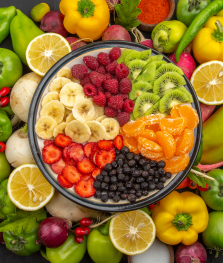
Fruits and vegetables are safe harbingers of good skin Things to avoid
To accellerate health and collagen synthesis as we age, it is imperative to also address unhealthy habits and lifestyle disorders that derail health, cause inflammation, and lead to early signs of ageing.
To start with, excessive consumption of sugar and refined carbohydrate foods should be strictly avoided as they trigger inflammation and hasten collagen loss.
Other habits like cigarette smoking and drinking too much alcohol need to be avoided or regulated to safeguard our body’s natural collagen. One must also learn to manage stress and regulate cortisol levels that promote collagen loss, with the help of practices like yoga and meditation.
Things to do
Wearing sunscreen daily is a must to shield the skin from undue exposure to the sun and harmful UV rays to prevent photoaging, which is the leading cause of the early appearance of lines, pigmentation, and other skin woes.
Now, we come to the most ignored unhealthy habit—sleep. The relevance of adequate sleep cannot be reiterated enough when it comes to anti-ageing. Quality sleep is the foundation for high immunity, strength, and vitality in our bodies, and it plays a crucial role in looking young and feeling energetic. So, pause before you indulge in that late-night movie and save it for another ‘day’; after all, youth is too heavy a price to pay for it.
A healthy lifestyle is a combination of a well balanced diet along with regular exercise, and exercise is non-negotiable. Be it walking in your neighbourhood park every day, practising yoga asanas at home, or hitting the gym for strength training, exercise must become a coveted habit as it slows down cell degeneration, releases happy hormones, and makes you glow. What more can you ask for?
Pearls of wisdom
After all that has been said and done, we understand that the use of dietary collagen for anti-ageing is still nascent, and experts are wary of drawing conclusions or making blanket statements. Although collagen supplements look promising and bring hope for the skin industry, one size doesn’t fit all, and there is ample room for extensive research into the
matter. While we seek more answers, there are some pertinent questions we need to ask ourselves: Does an anti-ageing pill or powder get to decide how you age? Even if the sagging skin is restored and your face is taut and unlined, would you be able to recreate the person you were in your 20s or 30s? And what exactly would you call anti-ageing?
Well, youth is more than just wrinkles and lines, hydration and elasticity. It is inimitable and original. The freshness, innocence, and rawness of youth cannot be matched; it is intangible.
So is beauty. Beauty is a personal choice and cannot be boxed into a particular figure, number, shape, or appearance. We must steer clear of all claims that create fear instead of love and acceptance for who we are. Fear internalises ageism which can mislead one into making poor choices like squandering on Botox, fillers, or going under the knife in the chase for youthfulness. Anything that we choose to incorporate into our beauty regimen should be a welcome treat to ourselves: a gift to pamper the ‘beauty’ we already possess, a celebration of our best assets. Not something that stems from fear and fuels insecurity. Real beauty lies in realising that no matter how fast we race to arrest ageing, time will catch up and we must know when to rein in and stop.
Lata Agrawal, born and brought up in the plains of Siliguri, West Bengal is a passionate writer and poet at heart. She has worked as a content writer and editor for various companies and websites, and is now an active blogger and freelancer.
Discussion (0)
No comments yet. Be the first to comment!
Leave a Comment
You need to login to post a comment.