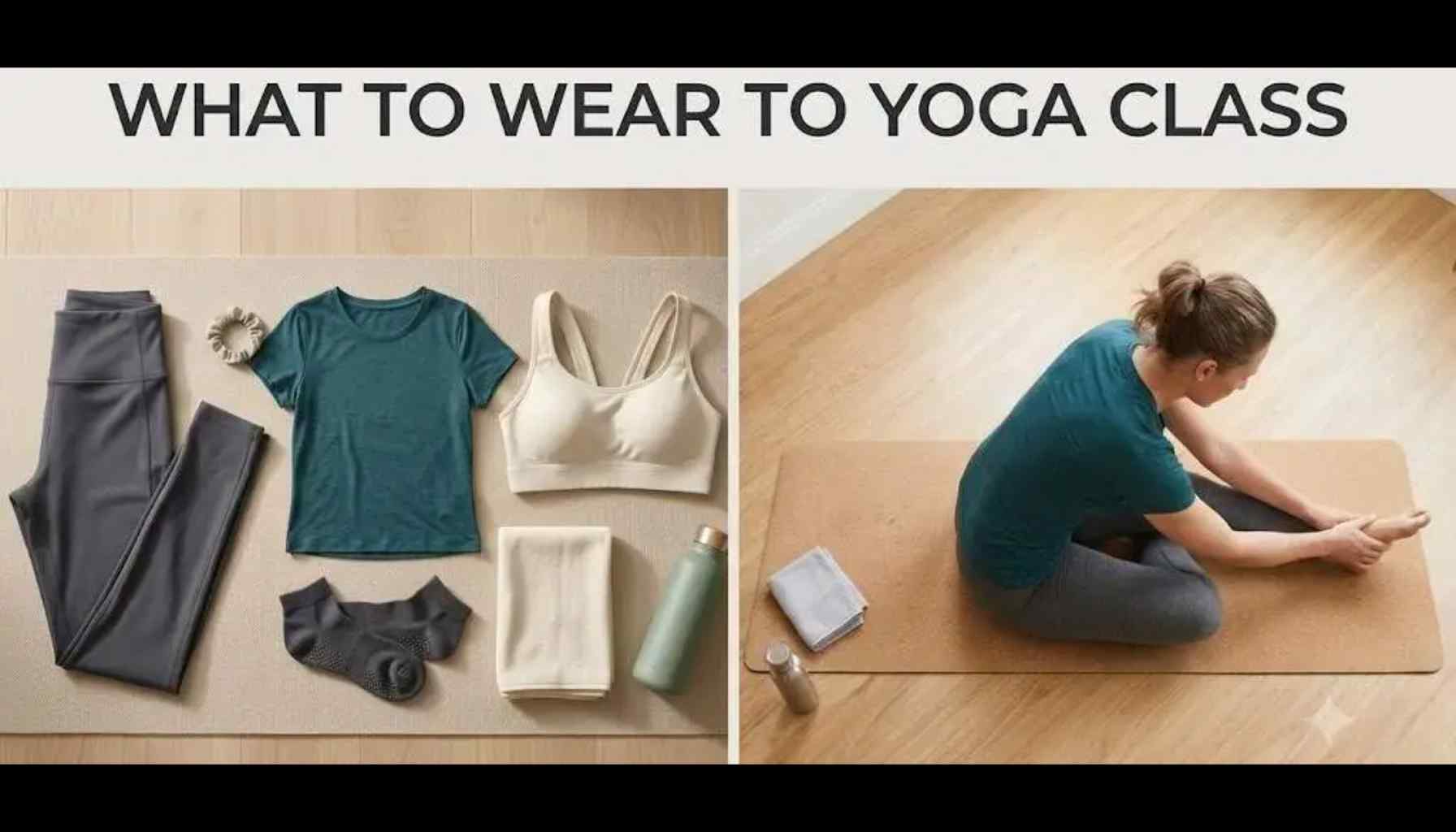
What to Wear to Yoga Class: Essential Tips for Every Style
Figuring out what to wear to yoga class sounds simple, until you are standing in front of your wardrobe ten minutes before your first session. Will that top stay put in Downward Dog? Will those leggings slide down in a lunge?
The best thing to wear to yoga class is a fitted top and stretchy, opaque leggings or shorts that stay in place when you bend, twist and fold. Choose breathable, moisture-wicking fabric, go barefoot unless told otherwise, and add a light layer for final relaxation.
Relax. Nobody expects pricey gear or a studio-ready wardrobe. What you need is clothing that stretches, stays where it belongs and fades into the background. Below, we go through each piece from fabrics to footwear and show how to tweak your yoga outfit for different styles of practice.
Key Takeaways
- The best answer to what to wear to yoga class is simple: clothes that stretch, stay put and breathe.
- Fitted tops and waistbands that stay put work better than loose layers, which tend to creep up or drop over your face.
- Breathable, moisture-wicking blends suit sweaty classes, while soft cotton or modal works for slow, gentle sessions.
- Match your outfit to the style: lighter and closer to the body for flowing or heated classes, cozier for restorative ones.
- Skip jeans, stiff fabrics, bulky zippers and strong perfume.
- Go barefoot unless your instructor suggests grip socks, and bring a mat, water and a small towel.
Why Your Yoga Outfit Matters
In yoga your body folds, twists, balances and sometimes goes upside down. Clothing that resists those movements drags your focus away from your breath and alignment.
Public health guidance for beginners says the same thing in plain terms: wear clothes that let you move freely and stop if you feel pain or fatigue. Your outfit is part of staying comfortable and safe.
Confidence plays a part as well. Settling on your outfit ahead of time means no tugging at a waistband mid-pose, and a first class feels much less daunting. Most studios have no strict yoga dress code, so comfort is the one rule that really matters.
Pro tip: Before you buy anything new, wear the outfit around the house and run through a few moves such as Downward Dog, a lunge and a forward fold. Anything you keep adjusting at home will bother you even more in class.
What to Wear to Yoga Class From Head to Toe
Tops
A fitted or semi-fitted top is the safest choice. Loose shirts drop toward your face in forward folds and inversions, which is awkward for you and distracting for everyone around you.
Fitted tanks, cropped tees and snug short-sleeve shirts stay exactly where you put them. If you like a looser look, wear a snug layer underneath so the fabric has nowhere to flap. Tops with a built-in shelf bra are handy when you want fewer layers.
Bottoms
Choose leggings or pants with four-way stretch and a waistband high enough that it will not roll down. Do a deep squat in front of a mirror: if the fabric goes sheer or the waistband slips, leave that pair at home.
Shorts work well in warm rooms and flowing classes, provided the legs stay in place during wide-legged poses. Capri-length pants are a good in-between option. Flared yoga pants give you extra room to breathe, but keep the hems clear of your bare feet so you do not trip.
What to wear under yoga pants
Seamless underwear in a smooth, breathable fabric keeps lines from showing through stretchy leggings and avoids digging in during deep folds. Many leggings and shorts come with a built-in liner, so you may not need an extra layer. If your bottoms are light-colored, pick underwear close to your skin tone.
Sports bra
For slow and flowing classes, pick a low- to medium-support sports bra with soft, flat seams and no underwire. Yoga rarely involves bouncing, so aim for light support and free movement through the shoulders and ribs rather than heavy compression.
Wide, adjustable straps and a band that does not dig in matter a lot in backbends such as Camel or Wheel.
Power, sculpt and other jump-heavy classes are different. If your session includes jumping or fast transitions, step up to a medium- or high-support bra with good coverage.
Layers
Studios can feel cool when you walk in and again during final relaxation. A light zip-up, wrap or cozy sweatshirt that goes on and off easily keeps your muscles warm before class and you comfortable at the end.
Feet, hair and accessories
Yoga is usually practiced barefoot, which lets your feet grip the mat. If you like covered feet or the studio asks for them, choose grip socks with rubber soles, since regular socks are slippery.
Wear regular shoes to travel to class, ideally slip-ons, because studios get crowded between sessions and there is not always room to sit and untie laces. Leave them in the shoe area before you step onto the mat.
Pull long hair back, take off dangling jewelry and skip anything that could dig into you when you lie down. A snug headband or bandana also keeps hair in place and sweat out of your eyes.
Silence your smartwatch or fitness tracker, or leave it at home, so chimes and pings do not disturb the room.
Best Fabrics for Yoga Clothes
When choosing your yoga clothes, fabric matters as much as the cut. It determines how your outfit feels after ten minutes, not just in the first ten seconds. Here is how the common options perform.
- Polyester and nylon blends with elastane: Stretchy and quick to dry, with good sweat-wicking ability. A solid choice for flowing classes and hot rooms.
- Cotton: Soft and airy if you hardly sweat, but it traps moisture and can turn heavy and clingy in sweaty sessions.
- Modal and bamboo blends: Silky, lightweight and kind to sensitive skin. A good middle ground for everyday classes.
- Soft brushed knits: Warm and snug for restorative classes where you stay still for long holds.
Whatever the fabric, check three things before buying: flat seams, stretch that springs back rather than sagging, and material that stays opaque when you bend.
Color matters too. Darker bottoms hide sweat marks and are less likely to look see-through, while pale shades show more. If you love light colors, do the squat test in bright light before you commit.
What to Wear to Yoga Class by Style
Yoga is not a single thing. A gentle stretch class and a heated power session need different yoga clothes, so match your outfit to the pace of the room.
|
Yoga style |
What works |
What to skip |
|
Hatha, Yin and restorative |
Soft, stretchy leggings or pants, a relaxed top and a cozy layer for long holds |
Stiff fabrics and anything that digs in while you hold poses |
|
Vinyasa, Ashtanga and power yoga |
A fitted, breathable top and bottoms in a moisture-wicking blend, plus a medium- to high-support bra for power or sculpt classes |
Loose tops and baggy pants that get in the way during flows |
|
Hot yoga |
Lightweight shorts or thin leggings with a fitted tank or bra top in quick-drying fabric |
Heavy cotton that stays wet and thick layers |
|
Outdoor yoga |
Breathable layers you can add or remove, sun protection and easy slip-on shoes for the walk to your mat |
Slippery fabrics on grass and bulky layers that catch the wind |
|
Aerial yoga |
Fitted long sleeves and leggings that cover the backs of your knees and underarms |
Zips, buckles, jewelry and loose layers that snag or rub on the hammock |
|
Kundalini |
Loose, natural-fiber clothing, often white, and a head covering if the class follows tradition (ask the studio) |
Restrictive waistbands and synthetic fabrics that trap heat |
Hot studios are often kept at roughly 90 to 105°F (32 to 40°C), so less fabric is usually better. Pack a towel and extra water, and let your instructor know if you feel dizzy.
What to Wear to Yoga Class for Men
The basics are the same for everyone: stretch, a secure fit and breathable fabric. A fitted tee or tank with stretchy shorts, tapered joggers or yoga pants is a reliable combination.
Choose shorts that stay in place during wide-legged poses and forward folds, as baggy gym shorts can ride up. Skip anything bulky at the waist that presses in when you fold.
What Not to Wear to Yoga Class
Some pieces look fine on the hanger but become a nuisance on the mat. Leave these at home:
- Jeans, chinos or any stiff, non-stretch fabric.
- Loose, oversized tops that flop over your face in inversions and forward folds.
- Underwire bras and clothing with hard zippers, buttons or rivets that press against your skin.
- Sheer or very low-rise leggings that slip or go see-through when you bend.
- Dangling jewelry, watches and rings that can catch or scratch.
- Strong perfume or body spray, which can bother others in a closed room.
Dressing for Different Situations
Cold weather
In winter, dressing for yoga is all about layers: a fitted long-sleeve base, then a warm layer you can peel off once you heat up. Put it back on for final relaxation, when your body temperature drops.
Outdoor yoga
Practicing in a park or on a beach calls for sun protection: a hat or sunglasses for the walk, sunscreen on exposed skin and breathable layers you can add or remove as the breeze changes. Choose fabrics that will not snag on grass or sand, and bring a mat that grips well on uneven ground.
Pregnancy
If you are wondering what to wear to yoga class while pregnant, choose a stretchy, supportive sports bra, soft bottoms with a comfortable waistband below the bump or a fold-over panel, and breathable layers. Check with your doctor first and tell your instructor, since some poses may need to be modified.
Traditional or modest settings
If your class is held in an ashram, temple or traditional studio, ask about expectations beforehand. These places can have their own yoga dress code, such as covered shoulders and legs, which stretchy pants and a top with sleeves usually satisfy.
What to Bring and Wear to Your First Yoga Class
Beyond picking your outfit, plan the small details so your first visit goes smoothly. Arrive 10 to 15 minutes early to settle in, meet the teacher and choose a spot.
Tell your instructor you are new, and mention any injuries or health conditions. It also does not hurt to ask whether the studio has a yoga dress code. Health agencies recommend practicing with a qualified instructor, especially at the start, because learning alone has been linked to a higher risk of injury.
A short checklist helps:
- A yoga mat, or confirm that the studio rents or lends them.
- A water bottle.
- A small towel for sweaty classes.
- A hair tie and a light layer for relaxation.
- A change of clothes if you are heading somewhere afterward.
- A mat strap or tote for carrying your mat, and a mat towel if you sweat.
- Props such as a block or strap, or confirm that the studio provides them.
Smart Tips for Buying Your First Yoga Clothes
- Start with two or three versatile pieces you can mix and match.
- Buy your true size. Too tight restricts your breathing, while too loose slips.
- Test the stretch and do the squat test in the fitting room.
- Read the care label. Wash in cold water and skip fabric softener, which can coat the fibers and reduce their moisture-wicking.
- Put comfort before trends. The best yoga outfit is the one you forget you are wearing.
Frequently Asked Questions
What should I wear to my first yoga class?
Wear stretchy leggings or shorts, a fitted top and a comfortable sports bra. That is really the whole beginner formula. Bring a mat and water, and go barefoot unless the studio says otherwise.
Can I wear shorts or leggings to yoga?
Yes, both work. Leggings offer coverage and support in flowing classes, while shorts keep you cooler in warm rooms. Whichever you choose, do a deep squat at home first to check that the fabric stays opaque and the waistband stays up.
Do I have to wear yoga pants or special yoga clothing?
No. Any stretchy, secure clothing that lets you move freely will do, whether that is yoga pants, joggers, athletic shorts or soft sweatpants. Yoga-specific pieces are built for stretch and sweat management, which makes them convenient, but they are not a requirement.
Can I wear my gym clothes to yoga?
Yes, as long as they stretch, stay in place and breathe. Workout leggings, athletic shorts and moisture-wicking tees all work well. Skip anything stiff or baggy, such as loose basketball shorts or oversized cotton tees, and leave your running shoes in the shoe area, since yoga is usually practiced barefoot.
Can I wear just a sports bra to yoga?
In many classes, yes, especially in hot yoga, where studios are very warm. Pair it with fitted shorts or leggings, and choose a bra with enough coverage and support for your class so it stays put in forward folds and inversions. If you want more coverage, or your class is in a traditional setting, add a fitted tank over it.
Should I wear socks to yoga?
Usually not. Bare feet grip the mat better and support your balance. If the room is cold or you prefer covered feet, choose grip socks with rubber soles rather than regular socks, which can slide.
What should I wear to hot yoga?
Go for lightweight, quick-drying pieces such as shorts or thin leggings with a fitted tank or sports bra. Steer clear of heavy cotton, which stays wet, and bring a towel and plenty of water.
Can I wear a loose T-shirt to yoga?
You can, but it will probably get in your way. Loose shirts ride up and drop over your face in forward folds and inversions. A fitted top, or a loose one over a snug layer, is more comfortable.
Bottom Line
Choosing a yoga outfit does not have to be complicated. Pick clothes that stretch, stay put and breathe, and match them to the style of class you are attending.
Begin with a few comfortable basics, skip anything stiff or flappy, and think of your outfit as a tool that helps you concentrate. Once you stop noticing your clothes, you can give your full attention to your breath and the pose in front of you.



Discussion (0)
No comments yet. Be the first to comment!
Leave a Comment
You need to login to post a comment.