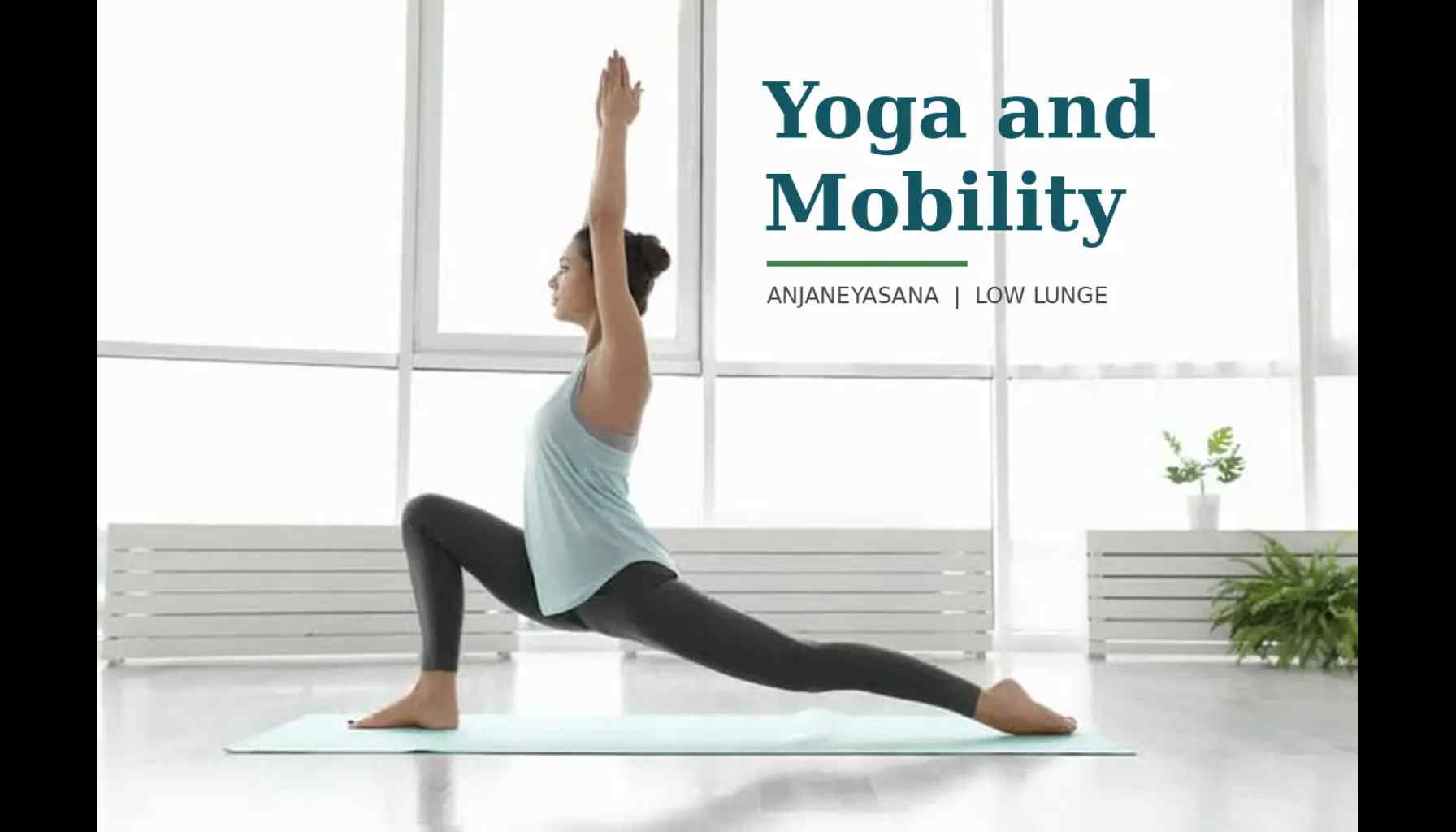
Yoga and Mobility: Move Better With Simple Poses
Yoga and mobility work well together because slow, controlled poses ask your joints to travel through their full range while your muscles stay engaged. If you feel stiff after sitting, tight after workouts, or limited in how far you can squat or reach, a short yoga routine can help you move more freely. Here's how it works and where to start.
Key Takeaways
- Mobility is movement with control through the joint's range, not just stretching.
- Some slow postures for your hips, spine, shoulders, and ankles will make all the difference.
- Short, regular sessions beat occasional long ones.
Why Yoga and Mobility Go Together
Mobility is not only about having limber muscles. It requires joint integrity, strength at the end of a range of motion, and neural control that allows the movement. Yoga addresses all of those factors. Flows make joints go through flexion, extension, and rotation, while holding poses strengthens and increases body awareness. Slow breathing allows the body to get into certain positions without protecting itself from them.
Most people develop mobility limitations due to repetition, not injury. Daily sitting restricts the hips and middle back, while running makes the body use a narrow range of motion. Yoga provides variation, which encourages stiff joints to become more mobile.
Mobility vs. Flexibility
- Flexibility is how far a muscle can lengthen.
- Mobility is how well a joint moves with control through its range.
You can be flexible but unstable, or strong but stiff. Good mobility needs both, which is why yoga's mix of stretching and strengthening suits it.
A Quick Joint Map
|
|
|
|
|
|
|
|
|
|
|
|
|
|
|
Yoga for Mobility - 6 Poses
Move slowly and stop if you feel sharp pain.
1. Cat-Cow (Marjaryasana-Bitilasana)
- Begin on all fours with wrists below shoulders and knees under hips.
- Inhale, draw your belly down and raise your chest and tailbone.
- Exhale, arch your back and pull your chin to your chest. Repeat.
2. Thread the Needle (Parsva Balasana)
- Come from all fours into threading one arm under the other.
- Let your right shoulder and ear come to rest on the floor.
- Take breaths, then return to starting position and repeat.
3. Low Lunge (Anjaneyasana)
- Bring your right foot forward with left knee resting on the mat.
- Drop your hips forward so that your right hip opens.
- Raise your arms above your head and switch sides.
4. Garland Pose (Malasana)
- Stand with feet wider than hips, toes turned slightly out.
- Lower into a squat, with a folded towel under your heels if needed.
- Press palms together and elbows against knees, lengthening your spine.
5. Downward-Facing Dog (Adho Mukha Svanasana)
- From hands and knees, tuck your toes and lift your hips.
- Bend your knees slightly and lengthen your spine.
- Press your heels toward the floor and relax your neck.
6. Supine Twist (Supta Matsyendrasana)
- Lay down on the floor and pull your knees to your chest.
- Drop both your knees to the same side and extend your arms.
- Turn your head to the other side and breathe.
How to Build a Routine - Yoga for Mobility
Go through the six postures consecutively in 10 to 15 minutes, 3 to 5 times weekly. Increase time by a minute or two as your body becomes accustomed.
- Warm-up is crucial: Start with easy cat/cow or joint rotations to get ready.
- Timing is everything: Moving routines are appropriate for morning and pre-training warming up, whereas long static holding postures should be done only after the training.
- Utilize props: Yoga blocks, towels, and blankets help achieve postures safely and comfortably.
- Breathe as you go: Not breathing means tensing the muscles you want to relax.
- Ease off: Overstraining will result in your body resisting you, so go for light strain.
- Be diverse: Try postures you don't use in daily activities and your sport.
Common Mistakes to Avoid
- Performing moves hastily without any control
- Pulling to the point of pain
- Neglecting strength and stability training that aid in gaining more range of motion
- Training occasionally
- Disregarding joint pain that does not go away
- If you are dealing with any injury, pregnancy, or health issue, consult your doctor before starting out.
Final Thoughts
Combining yoga and mobility training into your schedule allows for increased flexibility, decreased risk of injuries, and joint longevity. Integrating conscious movement and breath creates a body that can move easily and with ease.
Frequently Asked Questions
1. Does yoga improve mobility?
Yes, regular practice can improve range of motion and control by combining stretching, strength, and breathing, though results vary with consistency.
2. What is the difference between mobility and flexibility?
Flexibility is how far muscles lengthen, while mobility is how well joints move with control through their range.
3. How often should you do yoga for mobility?
Aim for 10 to 20 minutes, three to five days a week, or a short daily session, and adjust to how your body feels.
4. Can yoga improve mobility in older adults?
Often, yes. Research on yoga and mobility in people aged 60 and over found medium improvements in physical mobility, though more research is needed on fall prevention.
Also Read: Yoga for Athletes

Discussion (0)
No comments yet. Be the first to comment!
Leave a Comment
You need to login to post a comment.