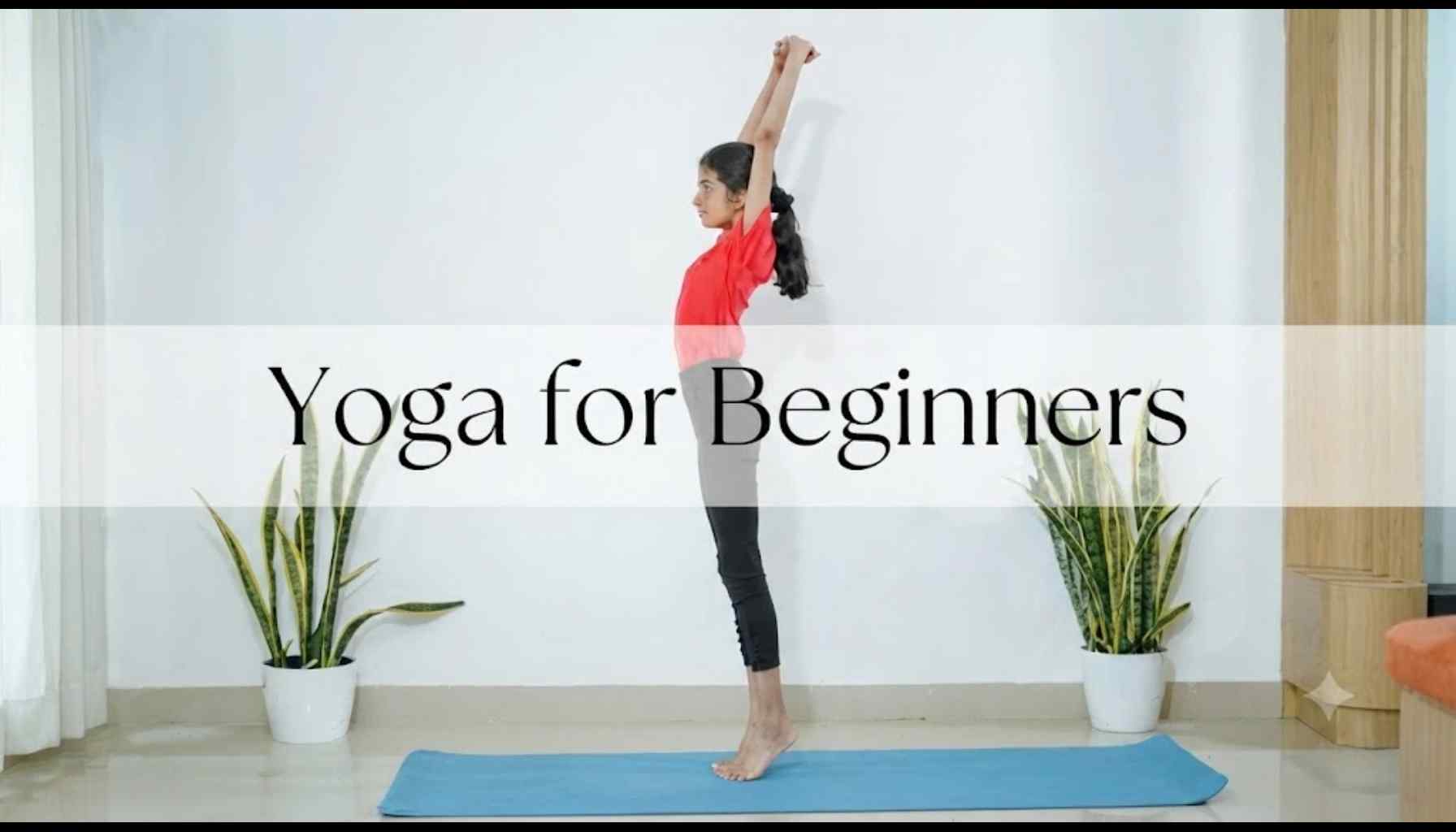
Yoga for Beginners: 8 Easy Poses to Get Started
Yoga for beginners offers a gentle introduction to stretching, strengthening, breathing and mindful movement. It does not require advanced flexibility, special skills or complicated postures. Beginners can start with simple asanas and gradually develop strength, balance and body awareness.
Regular yoga practice may help improve mobility, support better posture and reduce everyday stress. It also encourages relaxation after a long day of work. Practising at home or attending beginner-friendly classes can help establish a consistent routine.
Key Takeaways
- Yoga for beginners builds flexibility, strength and balance.
- Simple asanas help develop body awareness and mindful breathing.
- Props and modifications make beginner yoga more accessible.
What Is Yoga for Beginners?
Yoga for beginners is an introductory practice involving simple postures, breathing exercises and relaxation techniques. It focuses on basic movements that help newcomers understand alignment, coordination and comfortable stretching.
Beginners can explore standing, seated, balancing and restorative poses according to their abilities. Using a yoga mat, blocks, cushions or a wall can make beginner yoga poses more accessible.
8 Easy Yoga Poses for Beginners
These eight foundational yoga poses introduce different movements, from gentle stretching to basic strength and balance. Beginners can modify them according to their comfort and mobility.
1. Tadasana (Mountain Pose)
Steps:
- Stand tall with legs shoulder width apart.
- Shift your weight equally onto both feet.
- Straighten your spine and drop your shoulders. Continue breathing.
Benefits: Aids posture and balance.
Modification: Do this exercise against the wall for extra support.
2. Balasana (Child's Pose)
Steps:
- Sit down on your mat with your knees wide apart.
- Bring your hips closer to your heels.
- Stretch out your hands in front of you and continue breathing.
Benefits: Provides an easy stretch to your lower back and hips.
Modification: Use a cushion under your hips and forehead.
3. Adho Mukha Svanasana (Downward-Facing Dog)
Steps:
- Begin on your hands and knees.
- Lift your hips upwards and backwards.
- Lengthen your spine while gently pressing your palms down with controlled breathing.
Benefits: Strengthens the arms and shoulders while stretching the legs and back.
Modification: Keep your knees bent and heels lifted.
4. Vrikshasana (Tree Pose)
Steps:
- Stand upright and shift your weight onto one foot.
- Place your other foot against your inner calf.
- Bring your palms together and maintain your balance, breathing naturally.
Benefits: Develops balance, leg strength and concentration.
Modification: Keep your toes on the floor and hold a wall.
5. Baddha Konasana (Butterfly Pose)
Steps:
- Sit upright and bring your feet together.
- Hold your feet while allowing your knees to open.
- Keep your spine straight and breathe slowly.
Benefits: Gently stretches the inner thighs and improves hip mobility.
Modification: Sit on a folded blanket and support your knees.
6. Sukhasana (Easy Pose)
Steps:
- Sit comfortably with your legs crossed.
- Lengthen your spine and relax your shoulders.
- Rest your hands on your knees and breathe naturally.
Benefits: Encourages mindful breathing, relaxation and comfortable sitting posture.
Modification: Use a cushion beneath your hips.
7. Marjaryasana-Bitilasana (Cat-Cow Pose)
Steps:
- Begin on your hands and knees.
- Inhale, gently arching your back and lifting your chest.
- Exhale, rounding your spine and tucking your chin.
Benefits: Improves spinal mobility and encourages coordination with breathing.
Modification: Place a folded blanket beneath your knees.
8. Setu Bandhasana (Bridge Pose)
Steps:
- Lie on your back with your knees bent.
- Have your feet flat and arms by your sides.
- Gently raise your hips without lifting your shoulders off the ground and continue breathing.
Benefits: Builds strength in the gluteal muscles and back muscles.
Modification: Raise your hips just a little bit.
Benefits of Beginner Yoga Poses
Regular yoga practice may offer several physical and mental benefits. These depend on the poses, practice duration and individual abilities.
- Increases flexibility: Slow stretches will slowly increase the range of movement of the muscles and joints.
- Improves strength: Weight-bearing postures use the leg muscles, arm muscles, back muscles, and core muscles.
- Aids better posture: Fundamental asanas help keep the spine straight.
- Improves balance: Balancing postures will aid in improving coordination.
- Promotes relaxation: Slow movements and breathing exercises will help to cope with the stresses of everyday life.
- Increases body awareness: Conscious exercise will help beginners understand their body’s limitations and movement.
How Often Should Beginners Practise Yoga?
Beginners can practise yoga for 15 to 20 minutes, two to three times a week. They can slowly increase the time as strength and comfort increase.
Tips for Starting a Yoga Practice
- Dress comfortably: Dress in loose and breathable garments.
- Use a yoga mat: A non-slip yoga mat will provide you with cushioning and stability.
- Practice simple asanas: Start from basic asanas before going on to more difficult poses.
- Breathe consistently: Keep breathing steadily throughout your routine.
- Use props: Yoga blocks, cushions and rolled-up blankets help make your practice easier.
Common Mistakes
Beginners sometimes force their bodies into unfamiliar positions. Avoid these common mistakes while doing beginner yoga poses:
- Exceeding your stretch limits.
- Holding your breath while stretching.
- Not listening to your body.
- Comparing yourself with others.
- Trying to practice more difficult poses before mastering simpler ones.
Never continue with your practice if you experience pain, dizziness, numbness or anything unusual. Consult a healthcare specialist before beginning if you have any injuries or relevant medical conditions.
Final Thoughts
Yoga for beginners provides an accessible way to explore movement, flexibility, strength and relaxation. Beginner yoga poses help develop foundational skills without requiring advanced flexibility. Regular practice under the guidance of a trainer can gradually improve mobility, balance and confidence. Focus on your progress rather than perfection, and adjust your routine according to your body's needs.
Frequently Asked Questions
1. Which yoga pose is easiest for beginners?
Mountain Pose, Easy Pose and Child's Pose are accessible starting points for many beginners.
2. How long does it take for yoga to work?
Beginners may notice improved flexibility and relaxation within a few weeks of consistent practice.
3. Can yoga help beginners lose weight?
Yoga can contribute to physical activity and weight management, particularly when combined with balanced nutrition and other exercise.
4. Is 20 minutes of yoga a day enough for beginners?
Twenty minutes can provide a useful starting routine for practising foundational poses, breathing and relaxation.
Also Read: Yoga for Elderly Beginners
By Umesh Kumar Khiri


Discussion (0)
No comments yet. Be the first to comment!
Leave a Comment
You need to login to post a comment.