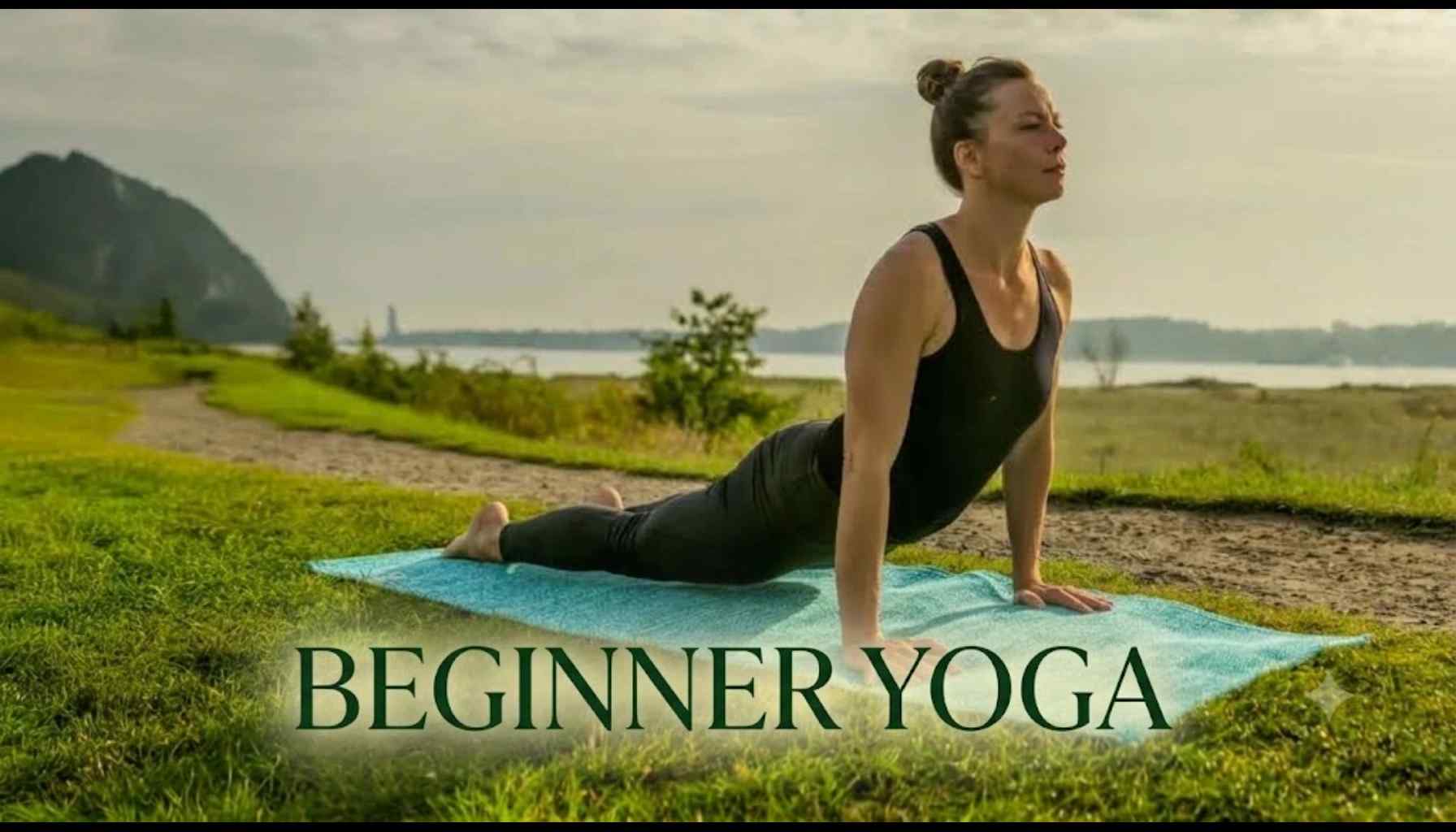
Beginner Yoga: Guide
Starting a beginner yoga journey introduces gentle, low-impact movements designed to build functional physical strength, improve flexibility, and calm the nervous system. Begin with basic alignment poses, avoid pushing past discomfort, and prioritize steady breath over deep flexibility.
Committing to an introductory yoga practice creates a sustainable foundation for long-term health, helping you tune into your body's unique needs without overexertion.
Key Takeaways:
- Accessible & Adaptable Movement: Beginner yoga focuses on foundational posture alignment, gentle joint lubrication, and low-impact holds suitable for all ages—including kids.
- Therapeutic Health Support: Regular practice helps lower stress-induced cortisol, manage chronic conditions like low back pain and joint stiffness, and support metabolic wellness.
- Consistency Over Intensity: Establishing a short, 10-to-20-minute daily routine builds sustainable flexibility, core stability, and mental focus far more effectively than sporadic, intense workouts.
Benefits of Starting a Beginner Yoga Flow
Doing introductory yoga practice delivers distinct physical and psychological advantages:
- Builds Functional Strength: Supports joint alignment and core stability through sustained bodyweight holds.
- Improves Postural Balance: Strengthens stabilizer muscles in the ankles, hips, and lower spine.
- Reduces Nervous Tension: Slow, conscious respiration signals the brain to lower stress response triggers.
- Enhances Body Awareness: Teaches real-time movement modification to protect joint tissue from strain.
6 Essential Poses for Beginner Yoga
Some of the common yoga poses that can be performed by a beginner are:
|
|
|
|
|
|
|
|
|
|
|
|
|
|
|
|
|
|
|
|
|
|
|
|
|
|
|
|
Beginner Yoga for Kids: Fun, Focus, and Healthy Growth
Introducing beginner yoga to children is an engaging way to build physical strength, emotional balance, and lifelong healthy habits early on. Kids naturally learn through play, so an introductory yoga practice for younger audiences adapts traditional poses into playful, animal-inspired movements that keep them focused and entertained.
- Playful Poses: Exercises such as Camel Pose, Frog Jumps, and Cobra Pose can help children learn through play by breaking down complex joint actions into simple poses.
- Development of Better Body Awareness: Exercises that encourage children to maintain simple balance poses, such as Tree Pose, will help them develop motor coordination and spatial awareness skills.
- Helping Kids Regulate Emotions: By using easy breathing exercises, such as "Bumblebee Breath," children learn how to manage their emotions and relax before school or bedtime.
- Increased Attention in Class: Brain breaks, where children perform physical activities for 1-2 minutes, help improve children's focus and listening skills in the classroom.
The use of soft mats, non-competitive moves, and brief sessions (10-15 minutes long) help children consider movement as an entertaining, enjoyable activity instead of something to be done for a specific purpose.
Meditation and Breathing Exercises for Beginner Yoga
Connecting introductory yoga practice with controlled breathwork (pranayama) helps quiet racing thoughts and establishes mental focus.
- Diaphragmatic Breathing: Breathe in deeply through your nose to fill your abdomen with air, and then breathe out slowly to relieve tension in your muscles.
- Breath Counting Anchor: Count to four while breathing in and out as a way of keeping your mind in the present moment.
- Body Scan Guided Meditation: Take three minutes to mentally scan your body and find any areas that need attention.
Diseases Managed Through an Introductory Yoga Practice
A consistent beginner yoga routine acts as effective therapeutic support for managing common health conditions:
- Joint Stiffness and Arthritis: Lubricates joints and makes joints flexible through controlled range of motion.
- Anxiety: Calms the activity in the autonomic nervous system by means of regular breathing.
- Postural Syndrome: Corrects the posture associated with working at desks by toning up upper back and stretching tight pectoral muscles.
- Insomnia: Calms down the muscles before sleeping.
Final Thoughts
Starting a beginner yoga routine empowers you to move safely, build structural resilience, and reduce everyday mental stress at your own comfort level. Prioritizing proper joint alignment, steady breathing, and consistent effort over physical perfection ensures long-term health rewards. Unroll your mat today for just ten minutes to experience immediate clarity, mobility, and ease with beginner yoga.
Frequently Asked Questions
1. How should a beginner start yoga?
A beginner should start by choosing a quiet space, using a non-slip mat, and focusing on short, 10-to-15-minute daily sessions.
2. What is the best yoga for a beginner?
Hatha yoga and gentle Vinyasa are ideal for beginners because they emphasize slow transitions, foundational posture alignment, and controlled breathwork without overwhelming the joints or muscles.
3. Can I lose belly fat by doing yoga?
Yes, consistent yoga helps manage weight and reduce visceral belly fat by lowering cortisol (the stress hormone linked to abdominal fat storage), building active lean muscle mass, and boosting overall metabolic health.
4. What are 20 beginner yoga moves?
Core beginner yoga moves include Mountain Pose, Child’s Pose, Downward-Facing Dog, Cobra Pose, Plank, Tree Pose, Warrior I & II, Triangle Pose, Cat-Cow, Bridge Pose, Seated Forward Bend, Legs-Up-The-Wall, Sphinx Pose, Gentle Spinal Twist, Chair Pose, Low Lunge, Garland Pose (Squat), Butterfly Pose, and Corpse Pose (Savasana).
Also Read: Types of Yoga
By Umesh Kumar Khiri



Discussion (0)
No comments yet. Be the first to comment!
Leave a Comment
You need to login to post a comment.