Yoga for High Blood Pressure: Safe Poses
Incorporating yoga for high blood pressure into your morning routine enhances heart rate variability and overall stress tolerance.
People who suffer from hypertension need to be cautious about stress control and their physical well-being. Yoga for hypertensive people serves as a perfect natural way of calming the nervous system, relieving tension in the arteries, and making your heart healthier. Due to the fact that yoga involves physical exercises combined with breath control, it helps reduce the level of such stress hormones as cortisol.
Key Takeaways
-
Gentle breathing and low-impact postures help activate the parasympathetic nervous system to lower resting heart rate and blood pressure.
-
Restorative poses improve vascular elasticity and venous return without placing excessive stress on the heart.
-
Yoga serves as a complementary lifestyle practice and must not replace prescribed hypertensive medical treatments.
Why Yoga for High Blood Pressure Works
Parasympathetic Activation
Stress is characterized by the "fight or flight response," leading to constriction of blood vessels and increased heart rate. However, therapeutic yoga stimulates the vagus nerve and hence puts the body into the "rest and digest" state of the parasympathetic system. This enables elasticity of blood vessels, decreases peripheral vascular resistance, and facilitates efficient heart pumping with minimal effort.
Recommended Poses for Blood Pressure Management
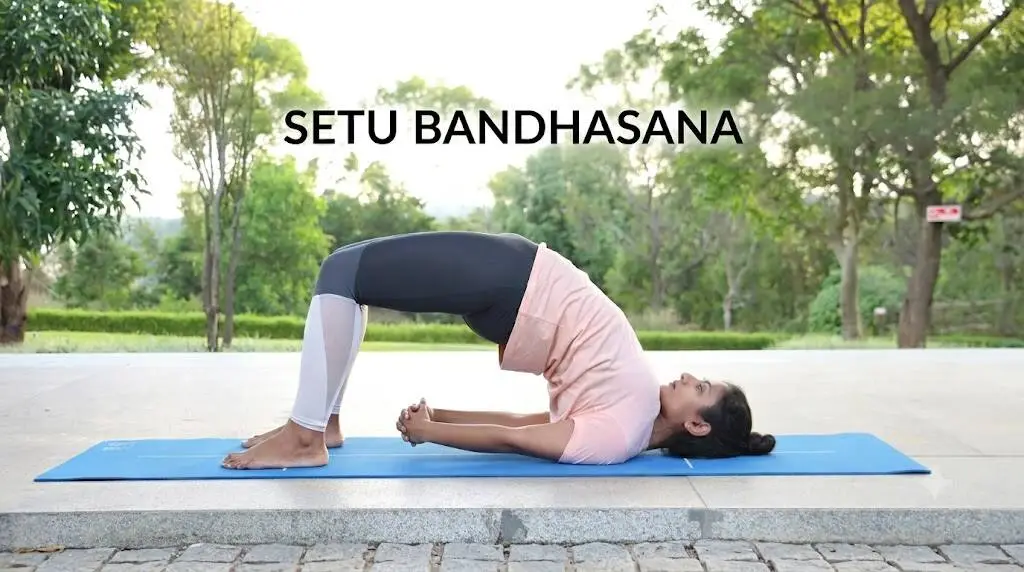
Some of the common poses of gentle yoga for high blood pressure control are as follows:
|
|
|
|
|
|
|
|
|
|
|
|
|
|
|
|
|
|
|
|
|
|
|
|
Conditions Supported by Gentle Yoga for High Blood Pressure
Though yoga functions as an assisting way of life practice and not as a treatment, it helps in the management of essential hypertension, constant mental stress, and stiff blood vessels. It has been observed scientifically that including yoga and breathing exercises in the daily routine will help in treating the related heart problems such as high heart rate, increased cortisol production, and metabolic disorders by balancing the autonomic nervous system.
Precautions
Before beginning a routine of gentle yoga for high blood pressure, taking important safety measures guarantees that your training will be effective and harmless:
-
Seek Medical Advice: Consult your doctor before you begin to make sure that physical activity is safe at your blood pressure.
-
Do Not Hold Your Breath: Breathe steadily during all practices to avoid dangerous thoracic pressure increases.
-
Exclude Full Inversions: Do not perform such difficult postures as headstand or shoulder stand, as putting the head below the heart may quickly increase blood pressure.
-
Move Gradually: Perform smooth transitions from the floor to standing positions in order not to decrease pressure drastically.
-
Perform Gentle Yoga: Avoid forcing any posture and stop practicing when experiencing any strain or fatigue.
-
Apply Cooling Pranayama: Combine your practice with such techniques as alternate nostril or humming bee breaths.
Embracing Holistic Health
Healing and managing your health do not depend on any quick remedies; instead, they involve taking mindful actions, receiving appropriate professional advice, and adhering to healthy habits on a daily basis. As you progress in your journey towards achieving well-being, it is important for you to pay attention to your body and celebrate even minor improvements.
By making gentle yoga for high blood pressure a core part of your holistic health routine alongside proper medical guidance, you empower your body to heal and thrive for years to come.
Frequently Asked Questions
1. Is there any chance that yoga can substitute my hypertension drugs?
Yoga is an alternative form of therapy meant to complement your treatment rather than replacing your medication. Please consult your doctor before making such decisions.
2. What are the breathing techniques safe for people with high blood pressure?
Techniques that provide cooling and balancing effects, like alternate nostril breathing (Anulom Vilom / Nadi Shodhana) and humming bee breath (Bhramari), are best suited, and techniques involving forceful or rapid breathing are to be avoided.
3. What to do if I get dizzy during the session?
If you experience dizziness, slowly move out of the pose, lie down in Savasana pose, and breathe slowly.
Disclaimer: The content on LifePositive.com, including articles/blogs on yoga, acupuncture, naturopathy, and other alternative healing modalities for holistic wellness, is for informational and educational purposes only. It is not a substitute for professional medical advice, diagnosis, or treatment. Always consult a qualified healthcare provider before starting any new health protocol or making changes to an existing treatment plan.
Also Read: Yoga for arthritis
By Umesh Kumar Khiri

.png)

Discussion (0)
No comments yet. Be the first to comment!
Leave a Comment
You need to login to post a comment.