How Social Workers Help Communities Heal After Disaster
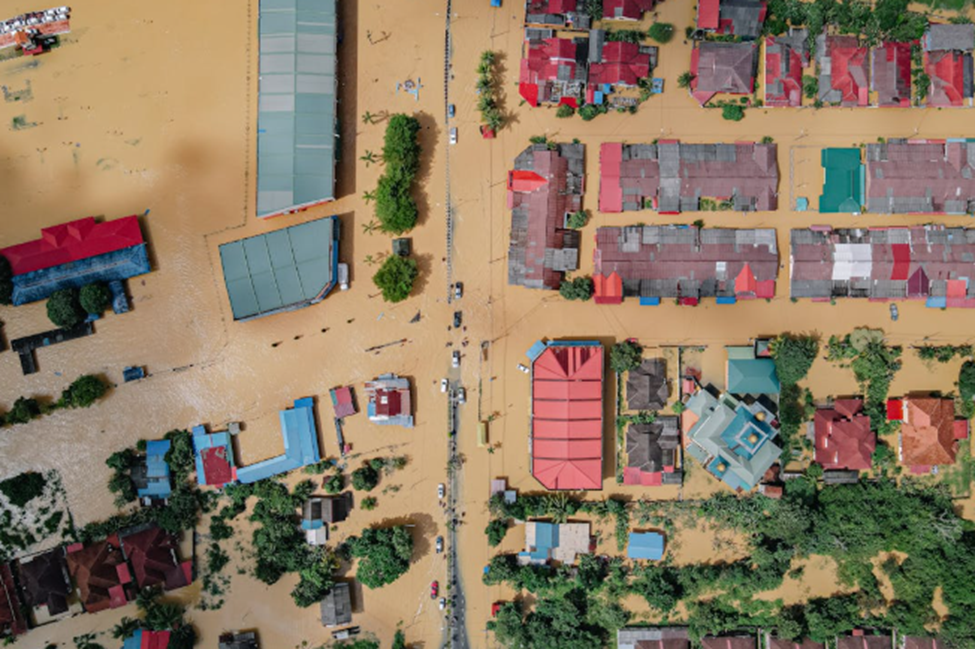
When a disaster strikes, life can change in a matter of hours. A hurricane, wildfire, or flood can leave families without homes, schools closed, and entire neighborhoods unsure of what comes next. Even after the physical danger ends, the emotional stress often stays. People may feel overwhelmed, exhausted, or stuck in survival mode. Communities also face practical problems like finding food, safe housing, and reliable support. Recovery is not just about rebuilding roads and buildings. It is also about helping people feel steady again. Social workers play a major role in this process. They step in to support individuals, families, and communities as they begin to heal and rebuild their lives.
Understanding the Real Impact After Disaster
Disasters affect more than property. They interrupt routines, separate families, and create uncertainty about the future. Many people lose access to basic needs like housing, transportation, and healthcare. At the same time, emotional strain grows. Some survivors struggle with fear, grief, or constant worry. Communities may also lose important gathering places like schools, clinics, or community centers. These losses make recovery harder because people feel disconnected from support systems. Social workers understand that healing involves both practical and emotional needs. They look at the full picture, helping people manage immediate problems while also supporting long-term recovery. This balanced approach helps communities move forward step by step.
Social Workers in Long Term Recovery Efforts
Emergency teams often focus on rescue and short-term safety. Social workers usually become most involved once the immediate crisis ends and families must figure out what comes next.
This is why many students explore online Masters of Social Work degree programs, since these programs prepare future professionals to respond effectively during community recovery efforts.
They help survivors apply for aid, find temporary housing, and access local services. More importantly, they stay present during the long recovery period, when support may start to fade. Social workers listen to what people need instead of assuming solutions. They work closely with community groups, local agencies, and healthcare providers to coordinate care. Their goal is to help individuals regain stability and help neighborhoods rebuild stronger support systems over time.
Offering Emotional Support When Trauma Hits
After a disaster, many people carry emotional pain even if they seem fine on the outside. Some feel anxious each time it rains again. Others struggle with grief after losing loved ones, homes, or a sense of normal life. Social workers provide a safe space where survivors can talk openly without pressure. They help people understand that stress reactions are common after a crisis. Social workers also teach simple coping skills, connect clients with mental health services, and check in over time. Emotional healing does not happen overnight, but steady support helps people feel less alone as they recover.
Connecting Families with Immediate Resources
In the days and weeks after a disaster, families often face urgent needs. They may not know where to find food assistance, medical care, or safe shelter. Social workers guide people through these systems when everything feels confusing. They help families fill out forms, access emergency programs, and connect with local relief organizations. This support matters because disaster recovery can feel like a maze, especially for those already facing financial stress. Social workers also look out for people who may be overlooked, such as seniors or individuals with disabilities. Their work helps families regain basic stability faster.
Supporting Children Through Sudden Change
Children experience disasters differently than adults. They may not fully understand what happened, but they still feel the fear and disruption around them. Many children struggle when schools close, routines disappear, or families relocate. Social workers help children process these changes in age-appropriate ways. They work with parents and teachers to spot signs of stress, such as sleep problems, withdrawal, or sudden behavior changes. Social workers also support families in rebuilding structure and stability for young people. When children feel safe and supported, they cope better over time. Helping kids recover emotionally is an important part of community healing.
Making Sure Recovery Support Is Fair
Disasters do not affect everyone equally. Communities with fewer resources often face greater challenges during recovery. Low-income families may struggle to replace housing or take time off work. People with disabilities may have trouble accessing shelters or medical care. Social workers focus on these gaps and advocate for fair treatment. They help ensure that aid reaches those who need it most, not just those who can navigate complex systems. Social workers also work with agencies to reduce barriers, such as language access or transportation issues. By addressing inequality, they help communities recover in a way that includes everyone, not just the most visible groups.
Helping Survivors Find Safe Housing Again
Housing becomes one of the biggest concerns after a disaster. Some families lose their homes completely, while others cannot return due to damage or unsafe conditions. Social workers help people explore temporary housing options and apply for disaster assistance programs. They also support those who face long-term displacement, which can affect jobs, schooling, and mental health. Social workers often coordinate with housing agencies, nonprofits, and local government resources. They help survivors understand their rights as renters or homeowners during recovery. Stable housing provides a foundation for rebuilding daily life, so this support becomes essential for long-term healing and security.
Protecting Mental Health During Recovery
Disaster recovery can take months or years, and emotional stress often continues long after the event ends. Survivors may experience anxiety, depression, or ongoing fear, especially after repeated disasters. Social workers help people recognize when stress becomes too heavy to manage alone. They offer counseling, connect individuals with mental health services, and encourage healthy routines. Social workers also support caregivers and community workers who may face burnout while helping others. Mental health care plays a key role in disaster recovery because emotional exhaustion can slow down rebuilding efforts. Supporting well-being helps individuals and communities stay strong over time.
Disasters can leave deep scars on communities, but recovery becomes possible with steady support and care. Social workers help survivors meet urgent needs, process emotional stress, and rebuild stability over time. They support children, families, and vulnerable groups while also strengthening community connections. Their work goes beyond short-term relief and focuses on long-term healing. By advocating for fairness, improving access to resources, and promoting mental health, social workers play a central role in helping communities move forward. Healing after disaster takes time, but with the right support systems in place, individuals and neighborhoods can rebuild stronger and more connected than before.



Discussion (0)
No comments yet. Be the first to comment!
Leave a Comment
You need to login to post a comment.