My Journey Into Autogaphy aligned with Jain Wisdom
Autophagy has been very beneficial to the author. She shares her experience with us
When I was seven, I observed my first fast during Paryushan—the Jain festival of purification, self-discipline, and forgiveness.
I remember how my parents held me through sensory discomfort, never discouraging me from fasting. Today, I see it as part of the resilience-building process, for which I am quite grateful to my parents. In our home, fasting was not seen as sacrifice or starvation. It was simply woven into the fabric of life, sacred and unquestionable. As a child, I fasted once a year on the last day of Paryushan with my family and community, and it felt exciting, inclusive, and very meaningful. I never inquired why we fasted; it was in the air I breathed.
One of my fondest memories is returning from school and going straight to the aayambil bhavan, where my grandmother and her friends prepared meals for those observing aayambil—a once-a-year weekly discipline of eating a single, plain meal before sunset, cooked without oil, ghee, milk, sugar, spices, fruits, or green vegetables.
The purpose was simple yet profound: to calm the senses, reduce attachment to taste, purify intentions, and lighten the body. My sister and I used to eat that distasteful food with so much joy. Everyone took such good care of one another, and the community as a whole experienced collective healing at ease. Having a strong sense of community and connection has always been a major part of our fasting rituals long before science recognized its necessity in living healthy and happy.
As I started college, I built my capacity to fast gradually—starting with one-day water fasts and moving to two and three days.
In 2017, I completed my longest water fast, which was eight days. This time, I wasn’t doing it for validation, to meet anyone’s expectations or the need to belong. I was beginning to understand fasting as a path to self-mastery—an inner discipline that strengthened me as a whole person, my body, mind, and spirit.
Tela - 81 hr long fasts on water for 3 times : A Return to Health, Clarity, and Myself
Like most, I was raised with the conditioning that as a woman, you should put others first before looking after your needs.
Being emotionally giving, I used to take on a lot, draining my energy due to which my health suffered. I struggled with high inflammatory symptoms and continuous fatigue. For someone like me who places low trust in conventional medicine and a strong emphasis on lifestyle and dietary prevention of diseases, as opposed to allopathy's perceived focus on reactive emergency care, I adhered to our traditional holistic practice of fasting to observe how it impacts my body and mind. Questioning modern medicine isn’t political, it is essential for health in today’s era. Across four months, aligned with the Jain chaturmas, I observed three 81-hour fasts—one at the beginning, one in the middle, and one at the end.
This was the first time I explored fasting with an experimental lens and so much depth, and the shift I felt—physically, emotionally, mentally—was profound.
The science of Autophagy
I got to know about autophagy very recently, after my exploration with above fasting rituals and it further validated why fasting matters.
Modern science is now recognizing what Jain philosophy has honored for centuries. The knowledge always existed—science is only naming it now.
The process often associated with 72 hours fasting is autophagy, a cellular cleansing mechanism described by Nobel laureate Yoshinori Ohsumi.
When we fast long enough, the body begins to:
• Clear out damaged cells
• Remove toxins
• Break down inflamed, dysfunctional proteins
• Regenerate new cellular components
• Improve gut microbiome balance
• Reduce oxidative stress
Autophagy protects you from:
* Cellular aging
* Inflammation
* Cancer cell buildup
* Neurodegenerative diseases like Alzheimer’s and Parkinson’s.
"The cleansing and rejuvenating effects of a well-conducted fast are unmatched by anything in medicine."
– Dr. Herbert Shelton, an American author and naturopath.
"After years of research, here's the hard truth: allopathic medication isn't meant to make you healthier. It is intended to alleviate symptoms just enough to keep you dependent while suppressing the very signals your body requires to repair. Real health occurs when you step outside of this reactionary, industrial system and begin to trust your own biology. Nobody is better qualified to lead your healing than you." – Dr. Andrew Kaufman, MD, Forensic Psychiatrist.
Becoming my own health authority
After my final fast, I felt unbelievably light both in body and mind, the inflammation eased, my clarity returned, and it felt as though my entire system had been re-organized from within.
My blood reports confirmed what I already sensed: something remarkable had shifted. It was as if my body had simply been waiting for the chance to awaken its own intelligence.
The same intelligence that heals a scar, knits a broken bone, and closes a wound is the very force that can rebuild the body when given rest, space, and time.
Yet we see in our fast world where convenience is most valued, many people rush toward medication, dismissing the body’s ability to heal itself.
No doubt drugs can relieve symptoms, but they cannot create the conditions for true healing. That work begins within.
Where Spirituality Meets Biology
Across India, nearly every religion and spiritual tradition honours fasting. These practices weren’t accidental—they emerged from generations of observation, intuition, and embodied science.
Sometimes the medicine we seek already exists in our own home. I found my own understanding of practises to around me by being deeply curious and willing to experiment.
A message I would like to pass on to women and younger generations: Fasting doesn’t have to be religious. It can be approached through science, psychology, energy, or simple curiosity. The wisdom remains the same.
Bear the discomfort! In the long run you will enjoy health in the most sustainable manner.
A final reflection
Autogaphy, combined with other mindful, healthy living choices, is how I navigate my psychosomatic healing and was guided to share with the world.
The body carries its own intelligence.
Fasting activates it.
Autophagy refines it.
And the body responds with gratitude.
I am so fortunate that I belong to a great lineage and had access to tap into wonderful ancient practices and guidance in discerning true health and living.
Additionally, I am deeply grateful to the authors, naturopaths, and researchers like Yoshinori Ohsumi for recognising and supporting a sustainable framework that the entire human race can benefit from.
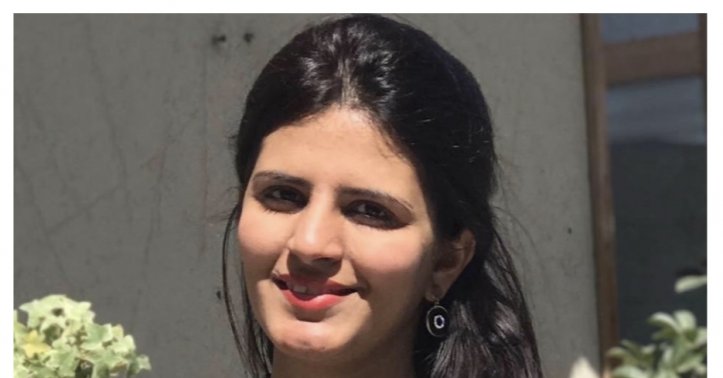
By Rutika Ostwal
Rutika is the founder of Sacred Space, a centre for creative arts therapies and somatic healing. She is a qualified art therapist and somatic experience practitioner trained in Ireland and Yoga from India, with a focus on body-based psychotherapy in the treatment of psychosomatic conditions.. She primarily works with children, caregivers, and young women in the area of behavioural issues, emotional regulation, anxiety, depression and trauma recovery. Currently based in Nasik, she works both in person and online with individuals and group. Rutika is a mentor for her signature "Art and Wellbeing" course which runs online. She is a member of The Art Therapy Association India's research and publication committee. (TATAI)
Prior to moving to India, she worked at Bon Secours Hospital, Marymount Hospice, Colaiste Eamann Ris School, and Faranlea Nursing Home in Ireland between 2019 and 2022