
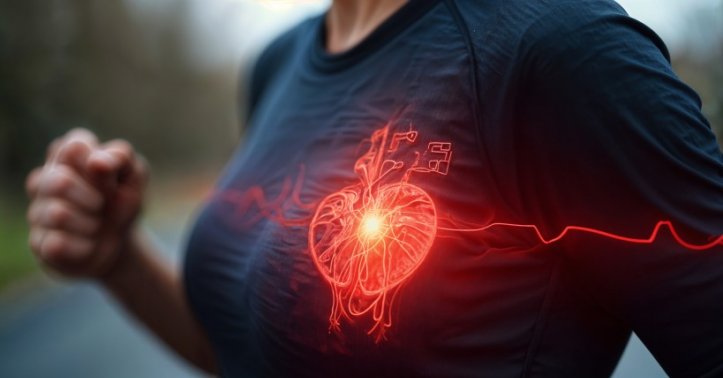
Is an extremely high protein diet harmful for the heart ?
An extremely high protein diet can potentially be harmful to heart health, particularly when it is sustained long-term and based on certain types of protein sources. The risk is not from protein itself, but from the nutritional "package" it comes in, the overall dietary pattern, and its effects on the body.
Here’s a breakdown of the main concerns and nuances:
1. Association with Unhealthy Sources & Saturated Fats
-
Red and Processed Meats: Many extreme high-protein diets emphasize large amounts of red meat (beef, pork, lamb) and processed meats (bacon, sausages, deli meats). These are often high in saturated fats, cholesterol, sodium, and preservatives (like nitrates).
-
Impact: Regularly consuming these is strongly linked to increased LDL ("bad") cholesterol, inflammation, higher blood pressure, and an elevated risk of cardiovascular disease (CVD) and stroke.
2. Nutrient Imbalance and Fiber Deficiency
-
Crowding Out Other Nutrients: An extremely high protein intake often comes at the expense of other vital food groups, especially fruits, vegetables, whole grains, and legumes.
-
Low Fiber: This can lead to very low fiber intake. Fiber is crucial for heart health—it helps lower LDL cholesterol, manage blood sugar, and reduce inflammation.
-
Micronutrient Shortfalls: Deficiencies in heart-protective nutrients like potassium, magnesium, antioxidants, and certain vitamins can occur.
3. Potential Impact on Kidneys
-
While a high-protein diet is generally safe for healthy kidneys, it increases the glomerular filtration rate and metabolic load.
-
For individuals with undiagnosed kidney impairment (which can be a risk factor for heart disease), it can accelerate damage. Kidney and heart health are closely linked ("cardiorenal syndrome").
4. Possible Negative Metabolic Shifts
-
Ketosis & Fat Metabolism: Some very high-protein, very low-carb diets can induce ketosis. While this can aid weight loss, long-term effects on blood lipids are mixed. Some people experience a rise in LDL cholesterol and ApoB particles, which are atherogenic.
-
Increased Uric Acid: Can promote gout, and some studies link high uric acid to hypertension and CVD risk.
-
Insulin-like Growth Factor 1 (IGF-1): Very high protein, especially from animal sources, may elevate IGF-1, which has been associated with increased risk of certain cancers and potentially cardiovascular issues, though research is not fully conclusive.
5. Acid Load and Bone Health
-
High animal protein intake increases dietary acid load, which the body may buffer by leaching calcium from bones. Some observational studies link this to higher fracture risk. Poor bone health isn't directly a heart issue, but it speaks to overall systemic strain.
Important Distinctions:
-
Protein Quality Matters: A high-protein diet centered on plant-based proteins (legumes, lentils, tofu, nuts) and lean animal proteins (fish, poultry, low-fat dairy, eggs in moderation) is far less risky and may even be protective for the heart.
-
Weight Loss vs. Maintenance: Short-term use of a high-protein diet for significant weight loss can improve heart risk factors (lower triglycerides, blood pressure, blood sugar). The danger often lies in long-term maintenance of an extreme, unbalanced pattern.
-
Individual Health Status: For someone with existing heart disease, kidney issues, or diabetes, embarking on an extreme high-protein diet without medical supervision is risky.
Expert Recommendations & Moderation
-
The Recommended Dietary Allowance (RDA) for protein is 0.8 g per kg of body weight for the average sedentary adult. Many high-protein diets exceed 2.0 g/kg, sometimes reaching 3.0+ g/kg.
-
Most cardiologists and nutrition experts recommend:
-
Prioritizing plant-based and lean protein sources.
-
Ensuring a balanced intake of fiber, healthy fats (like omega-3s), and phytonutrients.
-
If increasing protein, staying within 10-35% of total daily calories (the acceptable macronutrient distribution range set by health authorities), with the upper end being for specific, temporary needs (e.g., intense athletic training).
Conclusion
An extremely high-protein diet, particularly one rich in red and processed meats and lacking in plant foods, can be harmful to heart health over the long term. The harm stems from the associated saturated fats, lack of fiber, and overall dietary imbalance, not from the protein molecules themselves.
For heart health, a balanced diet—such as the Mediterranean or DASH diets—which includes moderate protein from diverse sources, plenty of plants, and healthy fats, is strongly supported by evidence. Always consult a healthcare provider or registered dietitian before making drastic dietary changes, especially if you have pre-existing health conditions.
Take care of yourself in a balanced manner.
By Jamuna Rangachari