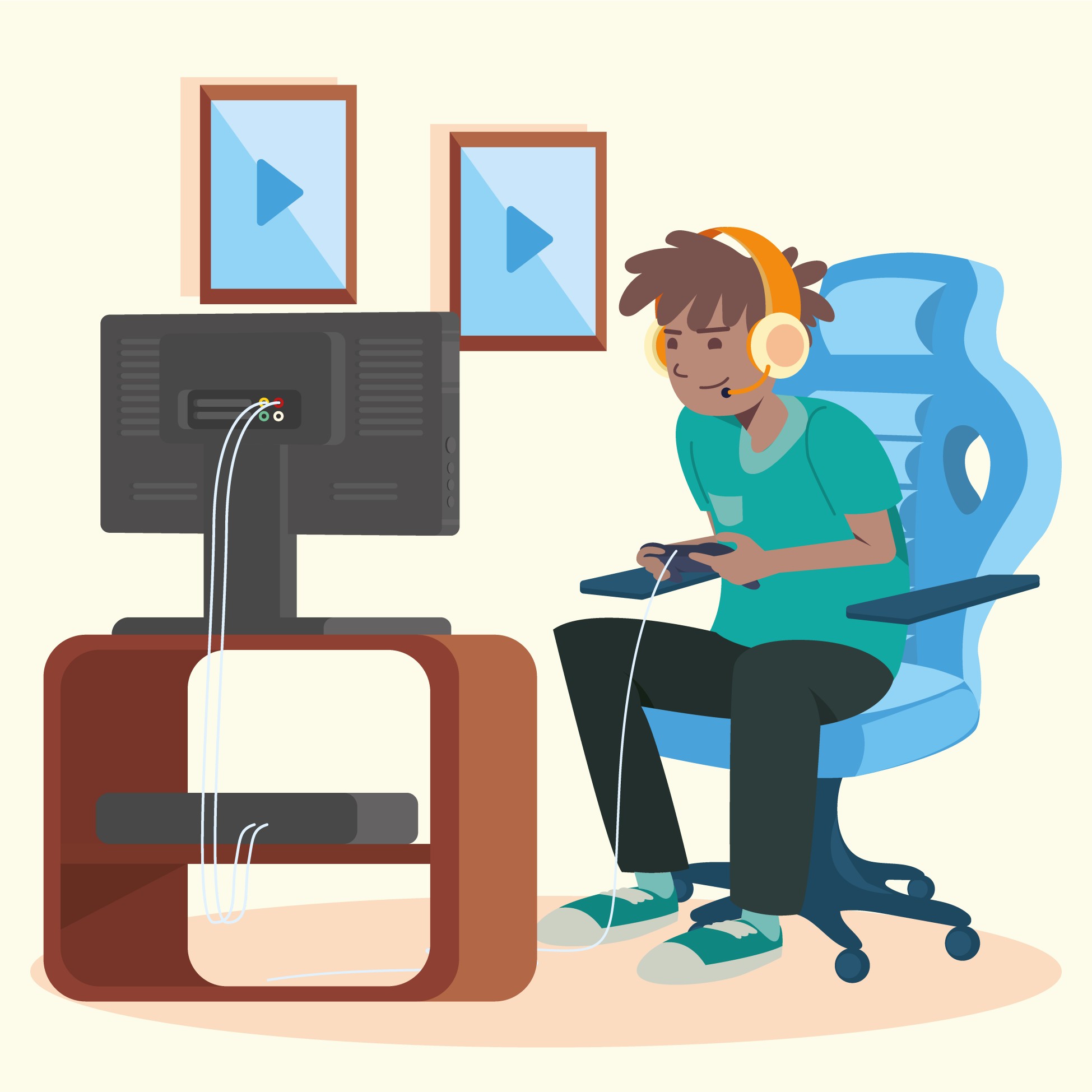
Prevent gaming addiction
Preventing gaming addiction in young people is a proactive and multifaceted challenge that requires understanding, strategy, and collaboration. The goal isn't to eliminate gaming (which can be a positive social and cognitive activity) but to foster a healthy, balanced relationship with it.
Here is a comprehensive guide to prevention, targeting parents, educators, and the young people themselves.
1. Understand the "Why" Behind the Game
Addiction often fills a void. Before restricting, understand what needs gaming is meeting for the child:
-
Social Connection: Is it their primary way to hang out with friends?
-
Achievement & Mastery: Does it provide a sense of competence they might not get from school or other activities?
-
Escape & Coping: Is it a way to relieve stress, anxiety, or escape from problems at home or school?
-
Stimulation & Excitement: Is their offline life under-stimulating?
Addressing these root causes is more effective than just removing the game.
2. For Parents & Caregivers: The Foundation at Home
A. Start with Engagement, Not Control
-
Play with them: Show genuine interest. Ask them to teach you a game. This builds trust, opens communication, and helps you understand the appeal.
-
Talk about the games: Discuss characters, stories, and strategies. This makes it easier to have harder conversations later.
B. Establish Clear, Collaborative Boundaries
-
Co-create "Family Media Plans": Involve your child in setting rules. This gives them agency and increases buy-in. Use resources like the American Academy of Pediatrics Family Media Plan tool.
-
Focus on "When, Then" and Non-Negotiables:
-
"When your homework and chores are done, then you can game."
-
Non-negotiables: Sleep (no devices in bedrooms), family meals, and physical activity come first.
-
Use Natural Breaks: Set limits around logical endpoints (e.g., "after this match" or "at the end of a level," not in the middle of an unpausable game).
C. Design the Environment for Success
-
Keep consoles/PCs in common areas, not bedrooms. This reduces isolation and allows for natural monitoring.
-
Use built-in parental controls on consoles, PCs, and routers to enforce time limits and restrict inappropriate content. Frame it as a tool for balance, not punishment.
-
Implement "Tech-Free" times and zones: e.g., no screens during meals, the first hour after school, or 1 hour before bedtime.
D. Cultivate a Rich Offline Life
-
Provide and encourage alternatives: Help them discover other passions—sports, music, art, coding clubs, hiking, martial arts. The key is to find activities that provide similar rewards (social, mastery, flow state).
-
Schedule unstructured offline time: Boredom is the catalyst for creativity and self-directed play.
-
Model balanced behavior: Be mindful of your own screen use. Put your phone away during family time.
3. For Educators & Schools
-
Integrate Digital Literacy & Wellness into the curriculum: Teach students about how game design employs persuasive psychology (like variable rewards), the signs of problematic use, and the importance of balance.
-
Offer diverse extracurricular activities: Ensure there are appealing options beyond sports, like robotics, drama, or chess clubs.
-
Train staff to recognize signs: Withdrawal from social interaction, declining grades, excessive fatigue, and talking exclusively about games can be red flags.
-
Create a supportive environment: Address issues like bullying or social anxiety that might push a student to seek refuge in games.
4. For Young People (Empower Them Directly)
-
Self-Monitor: Ask yourself, "Is gaming enhancing my life or replacing it?" Use built-in screen time trackers.
-
Practice the "Pause": Intentionally stop for 5 minutes during a gaming session. This breaks the automatic "just one more" cycle.
-
Diversify Your Identity: Don't let "gamer" be your only identity. Nurture other skills and social circles.
-
Schedule Game Time: Plan your gaming sessions rather than falling into them impulsively. It makes the activity more intentional and enjoyable.
-
Stay Connected IRL: Make sure you're maintaining face-to-face friendships and family connections.
5. Recognizing Red Flags & When to Seek Help
Prevention is key, but know when it might be escalating:
-
Preoccupation: Thinking about games constantly, even when not playing.
-
Loss of Interest in previous hobbies and offline friends.
-
Withdrawal Symptoms: Irritability, anger, or sadness when unable to play.
-
Deception: Lying about time spent gaming.
-
Using games as the only coping mechanism for negative moods.
-
Jeopardizing school, work, or important relationships.
If you see these signs:
-
Have a compassionate, non-confrontational conversation. Use "I" statements: "I've noticed you seem stressed when you can't play, and I'm concerned."
-
Consult a professional. A pediatrician, school counselor, or a therapist specializing in behavioral addictions can provide assessment and support. Cognitive Behavioral Therapy (CBT) is particularly effective.
Philosophical Shift: From "Banning" to "Balancing"
The most effective prevention reframes gaming from a "bad habit to be controlled" to one part of a balanced, fulfilling life. The focus should be on:
-
Connection over control.
-
Understanding over accusation.
-
Filling life with engaging alternatives, rather than just taking the game away.
By building strong relationships, fostering diverse interests, and maintaining open communication, we can help young people enjoy the digital world without being consumed by it.
By Jamuna Rangachari



Discussion (0)
No comments yet. Be the first to comment!
Leave a Comment
You need to login to post a comment.