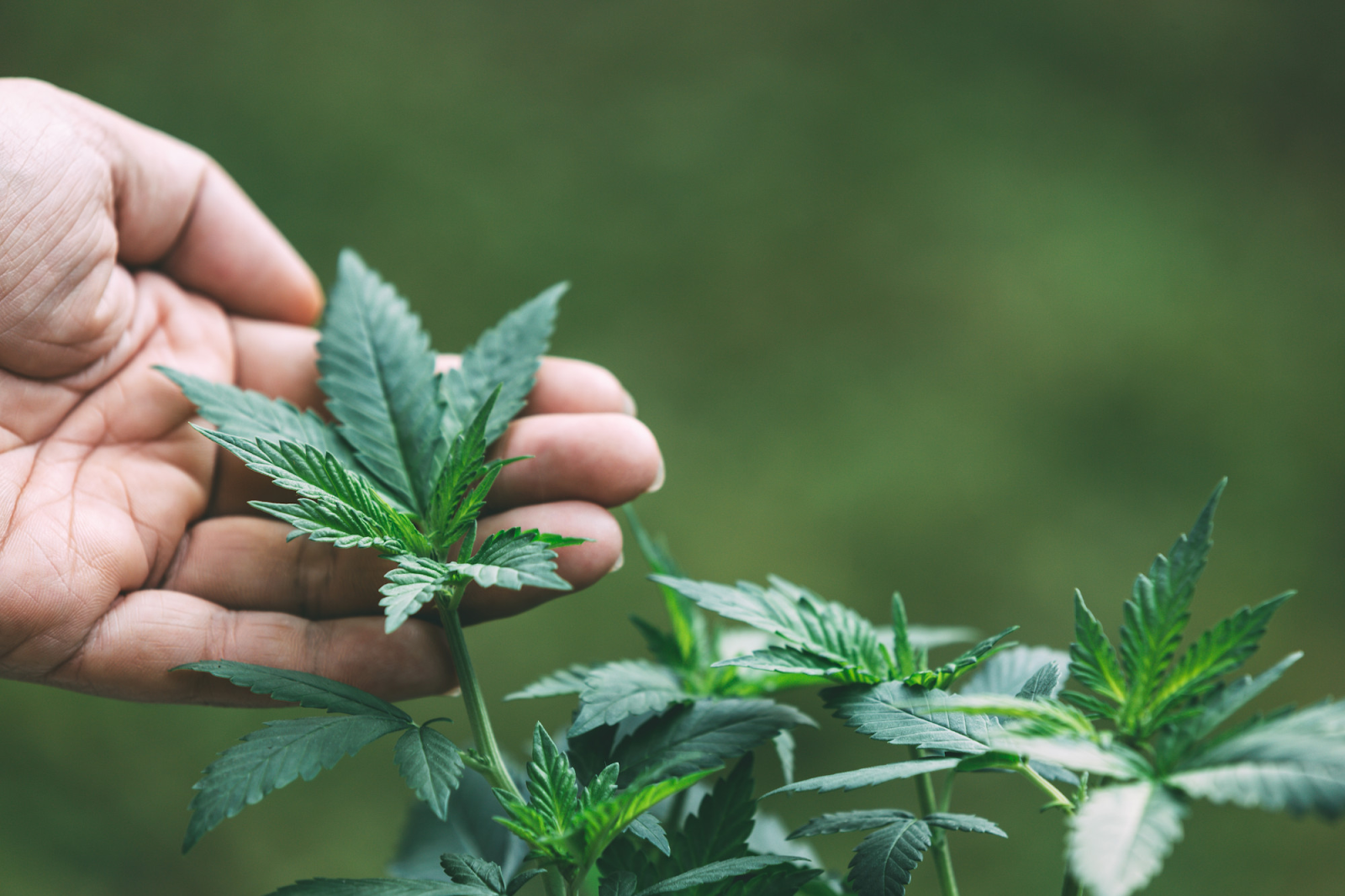
Ensuring Purity and Reliability in Every Harvest
Marijuana cultivation requires dedication, patience, and expertise. One of the crucial aspects of cannabis cultivation is the harvesting process. Harvesting at the right time is essential to maximizing the potency, aroma, and flavour. At the same time, harvesting at the wrong time can lead to reduced quality, yield, and potency.
In this article, we will explain the best practice of cannabis harvesting to maximize quality and strength.
Pre-Harvest & Growth Optimization
Pre-harvesting is essential to receive high-quality harvesting. You should take these steps, such as starting with lab-tested marijuana seeds or clones to ensure consistent growth, potency, and pest resistance. Maintain a consistent 40-50% relative humidity (RH) during flowering to prevent mold. Make sure to keep temperatures between 65 and 75°F (18 and 24°C). Use high-quality grow lights with adequate intensity to maximise density. Keep pH between 6.0 and 7.0 for soil and 5.5 and 6.5 for hydroponics to avoid nutrient lockout. Use consistent, high-quality nutrients. Use fans to ensure good air circulation around every bud. This reduces the risk of fungal issues and strengthens the plant. Use beneficial insects, companion plants, or organic sprays to prevent contamination before it starts.
Cannabis Harvesting Techniques
Once you have assessed that your cannabis is ready to harvest, now is the time to begin the harvesting process. Here are the steps to harvest that provide reliability and purity:
-
Prepare the Tools
You will need some tools for harvesting, such as scissors, gloves, buckets, and a drying rack or line.
Ensure your tools are sharp and clean. Dull, dirty tools affect quality.
-
Cut the Buds
Cut the buds of the plant by using pruning shears or scissors. Make sure to cut the buds from the base of the stem, leaving a few centimetres of stem. Be careful while cutting to avoid damaging the buds.
-
Remove the Fan Leaves
After cutting the buds, you can cut the fan leaves. Fans' leaves are considered to be large leaves of a plant. These leaves lack many properties, such as cannabinoids, terpenes, and flavonoids. So they can be discarded.
-
Trim the Buds
Once you remove the fan leaves, it's time to trim the buds. Cut any excess leaves or stems from the buds with scissors. Trimming excess buds not only improves their appearance but also enhances quality.
-
Dry the Buds
To dry the buds, place them on a drying rack or line. After that, hang them in a dry, cool, dark place. To prevent mould and mildew growth, ensure the buds are not touching.
Make a routine to check the buds daily and turn them to ensure even drying. Drying time depends on humidity and temperature; the process can take from a few days to a few weeks.
-
Cure the Buds
Curing the buds after drying them. This process involves storing the buds in airtight containers. This helps to mature and develop their aroma, flavor, and potency.
-
Harvest at the Right Time
No matter how well you do everything right, if you harvest at the wrong time, you can lose everything. Harvesting at the right time, ensuring purity and reliability. So avoid cutting too early or too late.
Conclusion
Ensuring purity and reliability in every harvest begins long before the first cut is made. From selecting lab‑tested genetics to maintaining ideal environmental conditions, every step of the pre‑harvest process shapes the final quality of your cannabis. When it’s time to harvest, using clean tools, trimming carefully, drying slowly, and curing properly all work together to preserve potency, aroma, and flavor. Even the most skilled growers can lose quality by harvesting too early or too late, which makes timing just as important as technique. By following these best practices with consistency and care, cultivators can achieve dependable, high‑quality results in every cycle — and enjoy a harvest that reflects true craftsmanship.



Discussion (0)
No comments yet. Be the first to comment!
Leave a Comment
You need to login to post a comment.