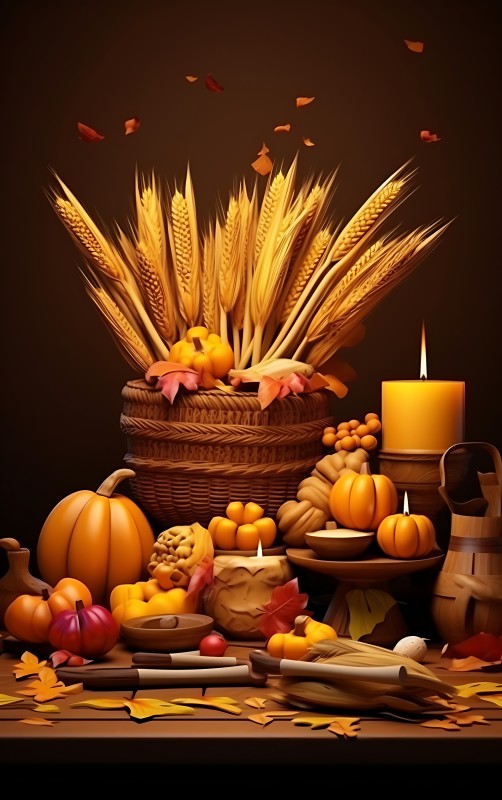
Significance of harvest festivals
Significance of Lohri, Sankrati and Pongal
Lohri, Sankranti (Makar Sankranti), and Pongal are all major harvest festivals celebrated in different parts of the Indian subcontinent, primarily in mid-January. They share a deep, interconnected core despite regional variations in name, specific rituals, and local legends.
1. Solar Calendar & Astronomical Significance
All three festivals are based on the solar cycle, not the lunar calendar. They mark the end of the winter solstice and the sun's northward journey (Uttarayana).
-
Makar Sankranti is named for the sun's entry into the zodiac sign of Makara (Capricorn).
-
This auspicious period is considered the beginning of longer, warmer days.
2. Harvest Festival Core
They are fundamentally thanksgiving festivals celebrating the rabi (winter) harvest.
3. Worship of the Sun God (Surya)
Gratitude to the Sun God (Surya) is a central theme, as the sun is the source of energy for a bountiful harvest.
4. Celebration of Fire & Light
Fire is a potent symbol in all three, representing energy, purification, and the return of warmth.
5. Feasting & Special Foods
Festive foods are made from the new harvest.
-
Sesame (Til) and Jaggery (Gur): Ubiquitous across regions in dishes like til-gud laddoos, til chikki, or as symbolic exchanges representing sweetness and bonding ("Til-gud ghya, god god bola").
-
Sugarcane: Consumed and used as decoration.
-
Rice & Pulses: The dish Pongal (sweet and savory rice-lentil porridge) is the festival's namesake in Tamil Nadu. Similar rice-based dishes are prepared elsewhere.
6. Community, Family & Cultural Expression
-
Family Gatherings: All are times for family reunions and feasting.
-
Charity & Giving: Sharing food and gifts with the less fortunate is an important aspect.
7. Symbolism of Prosperity & New Beginnings
The festivals symbolize prosperity, hope, and the cyclical nature of life
Lohri, Sankranti, and Pongal are vibrant harvest festivals celebrated primarily in different regions of India around the same time (mid-January). They all mark the end of winter and the beginning of the sun's northward journey (Uttarayana), but each has distinct cultural and regional significance.
1. Lohri (Primarily Punjab, Jammu, Himachal Pradesh)
-
When: January 13 (the night before Maghi/Makar Sankranti)
-
Core Significance: A festival of fire, fertility, and thanksgiving. It traditionally marks the end of the winter solstice and the harvesting of the Rabi crop, especially sugarcane.
-
Key Rituals & Celebrations:
-
Bonfire: The central ritual. People gather around a communal bonfire, throw offerings like popcorn, peanuts, and rewri (sesame and jaggery sweets) into it, and pray for prosperity.
-
Music & Dance: Energetic Bhangra and Gidda performances are performed to the beat of the dhol.
-
Feasting: Traditional foods like sarson da saag with makki di roti, and sweets made of sesame and jaggery are shared.
-
Social Aspect: It's strongly associated with new brides, newborns, and the first harvest of a family, who are celebrated and given gifts.
2. Makar Sankranti (Celebrated widely across India with different names)
-
When: January 14 or 15 (the solar event)
-
Core Significance: An astrological and solar festival. It marks the sun's transition into the zodiac sign of Capricorn (Makar), signaling the start of longer, warmer days (Uttarayana). This is considered an extremely auspicious time in Hindu mythology.
-
Key Rituals & Celebrations:
-
Holy Dips: Taking a holy dip in rivers like the Ganga, Yamuna, and Godavari is believed to wash away sins.
-
Charity: Donating food, clothes, and items (especially black sesame seeds and jaggery) is a key virtue.
-
Kite Flying: In states like Gujarat and Rajasthan, kite flying is a massive celebration, symbolizing reaching for the heavens and the joy of the new season.
-
Regional Names & Foods: Known as Pongal in Tamil Nadu, Bihu in Assam, Khichdi in Uttar Pradesh/Bihar. Til-gud (sesame-jaggery) sweets are ubiquitous, symbolizing the bonding of sweetness and the wish for sweet words.
3. Pongal (Tamil Nadu)
-
When: January 14-17 (a four-day festival)
-
Core Significance: A thanksgiving to nature, specifically to the Sun God (Surya), farm animals, and the earth for a bountiful harvest. The name literally means "to boil over" or "overflow," symbolizing abundance and prosperity.
-
Key Rituals & Celebrations (Four Days):
-
Day 1 - Bhogi Pongal: Discarding old belongings and celebrating new beginnings with a bonfire.
-
Day 2 - Surya Pongal (Main Day): The ritual of boiling the first rice of the season with milk and jaggery in a new clay pot outdoors. When it overflows, everyone shouts "Pongalo Pongal!" It is offered to the Sun God.
-
Day 3 - Mattu Pongal: Worship and decorating of cattle (bulls, cows), acknowledging their role in farming.
-
Day 4 - Kaanum Pongal: A day for social visits and family outings.
Common Threads & Significance:
-
Harvest & Thanksgiving: All three are fundamentally celebrations of a successful harvest and giving thanks to nature.
-
Solar Cycle: They are aligned with the solar calendar (not lunar), marking a specific astronomical event—the sun's entry into Makara (Capricorn).
-
Celebration of Abundance: Food, especially freshly harvested crops like sugarcane, rice, sesame, and jaggery, plays a central role.
-
Community & Renewal: They reinforce community bonds, family ties, and the spirit of letting go of the old to welcome the new.
In essence, Lohri is the joyous winter bonfire night, Makar Sankranti is the pan-Indian solar festival, and Pongal is the meticulous Tamil thanksgiving ritual. Together, they paint a beautiful picture of India's agrarian roots and diverse cultural tapestry. They are regional expressions of the same profound gratitude for the harvest, the sun, and the cycle of seasons. In essence, these are Indian thanksgiving festivals.
By Jamuna Rangachari
.png)


Discussion (0)
No comments yet. Be the first to comment!
Leave a Comment
You need to login to post a comment.