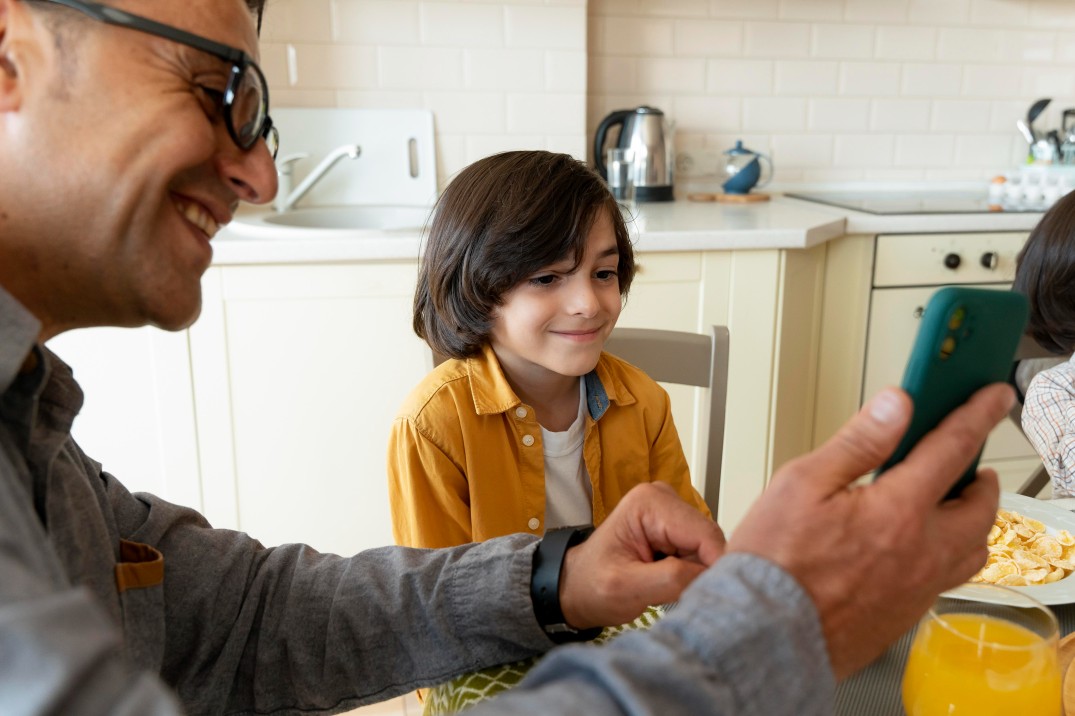
Protecting children from social media
Young children should be protected from social media due to the following
1. Brain Development
Young children’s brains (especially under age 12) are still developing critical thinking, impulse control, and emotional regulation.
Social media platforms are designed to capture attention, often through rapid-fire content, which can overstimulate developing brains and shorten attention spans.
2. Mental Health Risks
Studies link social media use in children to increased anxiety, depression, loneliness, and poor self-esteem.
Exposure to idealized images, cyberbullying, and social comparison can harm a child’s developing sense of self.
3. Inappropriate Content
Children may encounter violent, sexual, or otherwise age-inappropriate material, as well as misinformation.
Algorithmic feeds can unintentionally push extreme or harmful content even without active searching.
4. Privacy and Safety
Young children cannot fully understand the long-term consequences of sharing personal information online.
They are more vulnerable to online predators, scams, and data collection practices.
5. Social and Developmental Impacts
Excessive screen time can displace essential activities like physical play, face-to-face interaction, and creative exploration.
It can interfere with sleep, academic performance, and real-world social skill development.
6. Addictive Design
Social media uses psychological tricks (likes, notifications, autoplay) to keep users engaged, which can lead to compulsive use even in adults—children are especially susceptible.
Recommended Protections:
Age restrictions: Most platforms require users to be at least 13 (per COPPA in the U.S.), but enforcement is weak.
Parental guidance: Co-viewing, discussing online safety, and setting clear rules.
Delayed access: Postponing social media use until at least early adolescence, with gradual, supervised introduction.
Tech tools: Using parental controls, time limits, and child-friendly platforms when appropriate.
Education: Teaching digital literacy, critical thinking, and healthy online habits from an early age.
Balancing Protection and Preparation
While shielding young children is crucial, complete isolation from digital culture isn’t always practical long-term. The goal is age-appropriate protection followed by guided preparation so they can navigate online spaces safely as they grow.
In short: protecting young children from social media isn’t about sheltering them indefinitely—it’s about giving their brains, identities, and social skills the safe space they need to develop before facing the amplified challenges of the digital world.
By Jamuna Rangachari



Discussion (0)
No comments yet. Be the first to comment!
Leave a Comment
You need to login to post a comment.