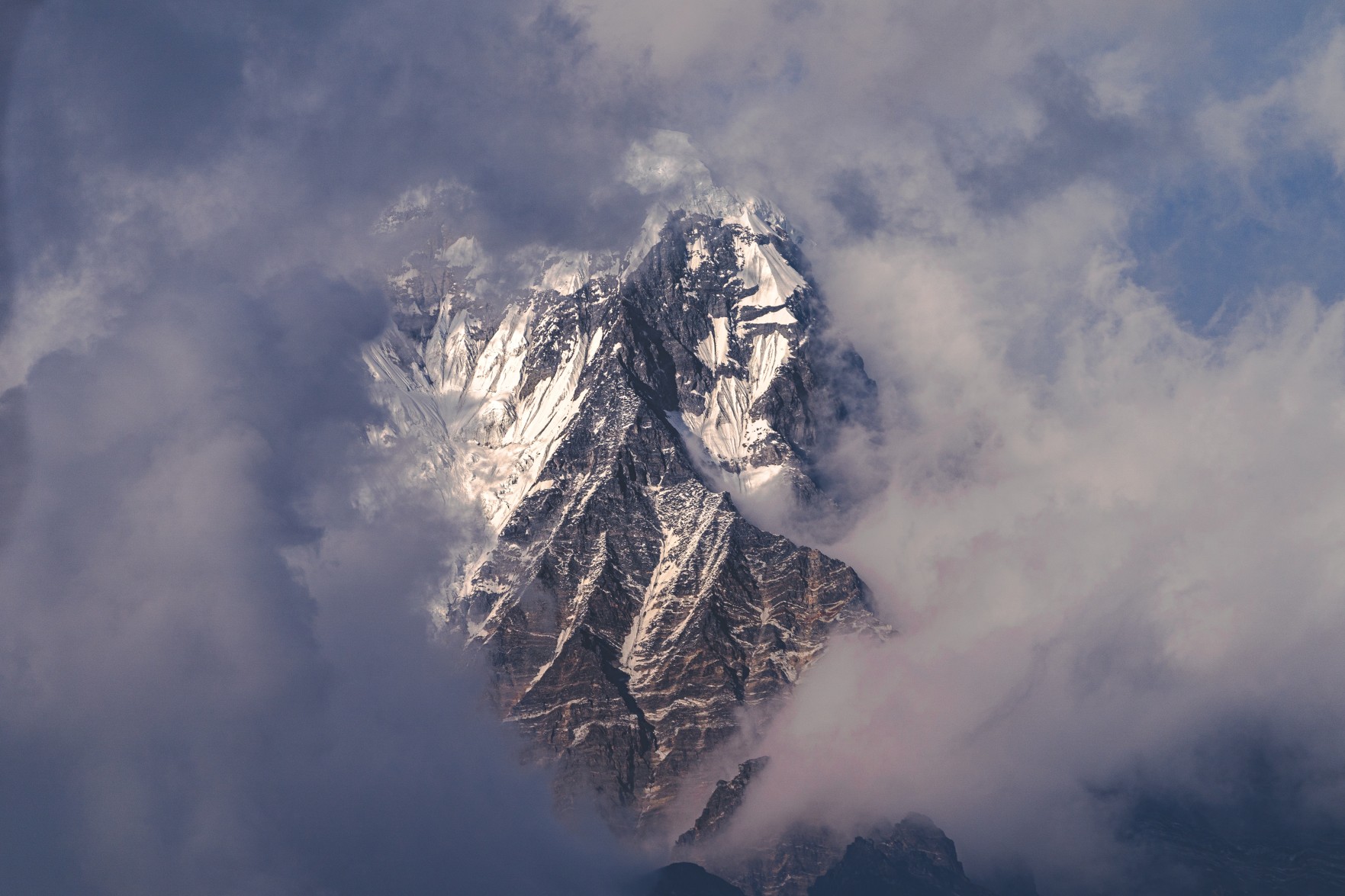
Mystery of Kailash Parbat
The "mystery of Kailash Parbat" (Mount Kailash) is a profound tapestry woven from geography, religion, geology, and unexplained phenomena. It's not a single mystery but a cluster of them, making it one of the most enigmatic and sacred mountains on Earth.
Here’s a breakdown of the key mysteries and fascinating aspects:
1. The Religious & Spiritual Mystery
Kailash is considered the axis of the universe, a divine abode, by four major religions:
-
Hinduism: The abode of Lord Shiva and Goddess Parvati, a place of ultimate bliss and power (Shiva-Shakti).
-
Buddhism: Known as Kang Rinpoche ("Precious Snow Mountain"), it is the dwelling of the Buddha Demchok (Chakrasamvara), representing supreme bliss.
-
Jainism: Called Ashtapada, it is the site where their first Tirthankara, Rishabhadeva, attained liberation (moksha).
-
Bon (Ancient Tibetan Religion): Considered the soul of Tibet and the site where its founder, Tonpa Shenrab, descended from heaven.
The Mystery: The sheer convergence of these major faiths, independently venerating the same, uniquely shaped mountain as their most sacred center, is statistically and spiritually astounding. It suggests an intrinsic, powerful energy recognized across millennia.
2. The Geographical & Physical Mystery
-
The Source of Four Major Rivers: From Kailash's slopes originate four rivers that flow to vast regions of Asia. Their sources are amazingly close to each other, yet they flow in opposite directions:
-
Sutlej (West)
-
Indus (North)
-
Brahmaputra (Yarlung Tsangpo - East)
-
Karnali (a major tributary of the Ganges - South)
This peculiar geographical feature is seen as divinely orchestrated.
-
The Shape & Symmetry: The mountain's distinct four-sided, 6666-meter peak resembles a perfect lingam (symbol of Shiva) or a grand stupa. Its grooves and striations look like giant steps or, from one angle, the Swastika symbol (an ancient solar symbol of auspiciousness in these cultures).
3. The Mystery of the Unclimbed Summit
No human is known to have ever stood on its summit.
-
It is not the highest unclimbed peak, but it is the most religiously forbidden. Climbing is considered a profound sacrilege.
-
In 2001, a team of experienced Spanish climbers received a rare permit but faced overwhelming international protests (especially from Hindus and Buddhists) and bad omens (like sudden storms and illness). They voluntarily abandoned the climb out of respect.
-
The mystery of what's at the very top remains. Pilgrims believe only the enlightened can ascend it physically; others must go on foot around it (the Kora).
4. The Paranormal & Unexplained Phenomena
Many pilgrims and some researchers report anomalies:
-
Rapid Aging & Hair/Nail Growth: Legends say that spending 12 hours near Kailash accelerates bodily processes. While scientifically unverified, many claim their hair and nails grow as if they'd spent weeks.
-
The "Manasarovar Effect": The nearby Lake Manasarovar (considered supremely pure) and the demonic Lake Rakshas Tal are connected by a channel, yet one is freshwater, the other saline. Their behavior is considered mystical.
-
Mysterious Sounds & Lights: Reports of strange drumming, chanting, and unusual lights (possibly due to piezoelectric effects from the stress on rocks, or atmospheric phenomena) add to the aura.
-
The Kailash Pyramid Theory: Some Russian scientists have suggested that Kailash and surrounding mountains are not natural but giant, ancient man-made pyramids, far larger than any known. This fringe theory points to the mountain's unusual symmetry and alignment.
5. The Power of the Pilgrimage (Kora)
The 52-km circumambulation (parikrama/kora) is the central act of devotion. Mysteries here are experiential:
-
Physical & Mental Trial: Completing the kora, especially over the Drolma La pass at 5,636m, is a brutal test that strips away the ego, leading to profound psychological shifts.
-
Accounts of Time Distortion: Some pilgrims feel time passes differently—the 3-day trek feels much longer or shorter, as if in a different temporal flow.
Scientific Perspectives vs. Faith:
Science offers explanations for some "mysteries":
-
The rivers' origin is due to the mountain's location in the Kailash Range, a watershed.
-
The shape is the result of differential erosion of layered sedimentary and volcanic rocks.
-
Strange sounds can be caused by wind, avalanches, or rockfalls in the vast, quiet landscape.
-
Rapid nail/hair growth could be a perceptual effect of high-altitude stress and dehydration.
However, science cannot explain the mountain's profound spiritual magnetism or why it became the axis mundi for so many cultures independently.
Conclusion: The Core Mystery
bdThe ultimate mystery of Kailash Parbat is this: It is a colossal, natural mandala that mirrors the human quest for the sacred. It represents the point where the physical world meets the metaphysical. Its power lies in its voluntary inaccessibility—its summit is forbidden not by difficulty, but by reverence. This conscious choice to honor the mystery, rather than conquer it, is what keeps the mountain's spirit alive. It remains a symbol that some truths are not to be summited, but circumambulated—approached with humility, experienced through journey, not possession.
It is less a puzzle to be solved and more a mirror reflecting the depth of human belief and the enduring enigma of nature itself.
By Jamuna Rangachari



Discussion (0)
No comments yet. Be the first to comment!
Leave a Comment
You need to login to post a comment.