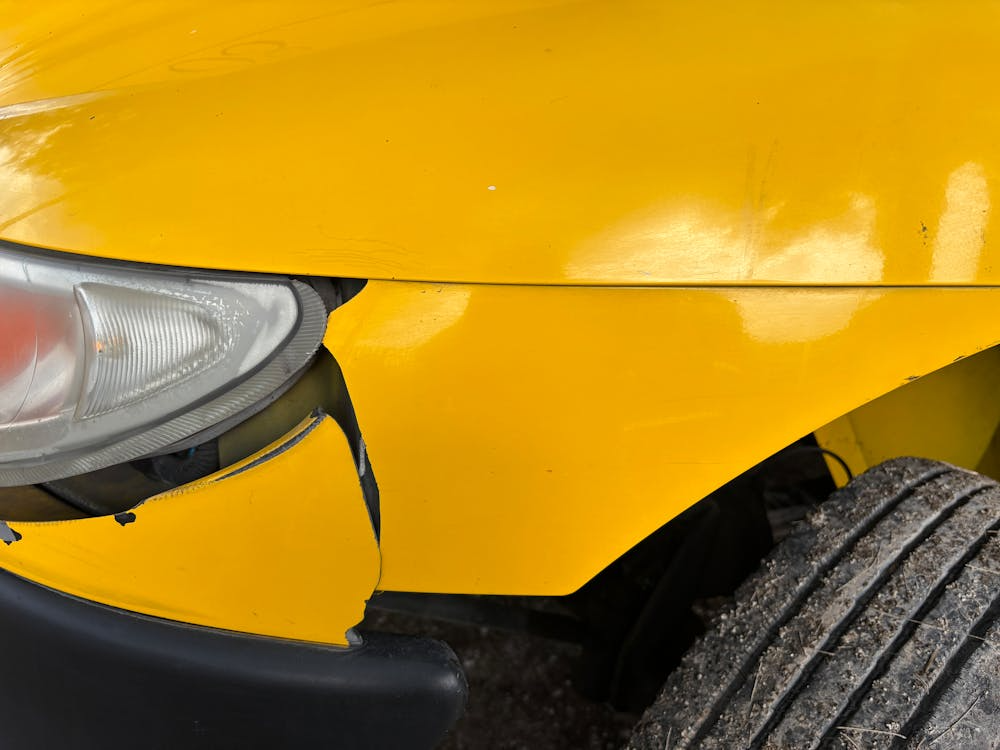
The Road to Recovery: Prioritizing Your Physical and Mental Health After a Car Accident
Hit by a car recently?
Things can feel chaotic. Dealing with doctors appointments, insurance companies, towing cars… You forget about one critical thing:
Your health.
But…
Let's get one thing straight.
Physical recovery isn't just about broken bones.
Most people stress about the physical injuries they suffer from. But what about mental recovery?
In this article, we cover:
-
Why you should put physical recovery first
-
The mental trauma you might not know about
-
How to create a recovery plan
-
When to seek professional help
Why Physical Car Accident Recovery Should Be Your Priority
Vehicle collisions cause an extensive amount of damage to the body.
According to NSC Injury Facts, injuries from motor vehicle accidents totaled over 5.1 million Americans in 2023. That's millions of people experiencing pain ranging from whiplash to life-altering injuries.
What most people don't realize is that…
Some injuries can take days, even weeks, to reveal symptoms. You could be in serious pain and not even know it.
Adrenaline pumps through your body during traumatic events. It temporarily masks pain. Which is why internal bleeding and soft tissue damage are often unseen at the scene of an accident.
This is why it's important to seek medical help after any collision.
No matter how minor you believe the accident to be.
Don't hesitate to seek medical attention. Even if you walk away feeling perfectly fine.
This is also why having a trusted tampa auto accident attorney in your corner is so important. Medical costs and long term care should be covered by insurance.
Let a legal professional guide you through your rights and ensure recovery plans are in place to pay for your treatment.
Common Physical Injuries Sustained From Car Accidents
Whiplash/Neck Injuries
Whiplash symptoms don't always occur right away. Make sure to tell your doctor about any and all pain that pops up, even if it isn't immediately after the accident.
Back/Spinal Injuries
Severe pain in your back and along your spinal cord may not be visible on an x-ray. So again, make sure to tell your physician about the symptoms you are experiencing.
Traumatic Brain Injuries
A lot of times head injuries are left unnoticed. Don't be afraid to seek a second opinion.
Broken Bones/Fractures
You'll want these diagnosed properly so you can heal correctly.
Internal Injuries
Some internal bleeding can take time to surface. Listen to your body, and if you feel pain, don't ignore it.
The Mental Recovery You Need For Total Healing
Broken bones heal.
What about your mental well-being?
Vehicle collisions are traumatic events. Just as your body needs time to heal, your mind does too.
Sometimes the emotional effects of an accident take much longer to recover from.
In fact…
Car accident survivors are actually at risk of developing PTSD.
Research shows that almost 39% of car accident survivors experience PTSD after their accident.
But mental recovery rarely becomes the priority.
Psychological Effects You May Experience After A Car Accident
Everyone handles trauma differently. Some symptoms appear quickly. While others may not show up for months.
Here are a few things to watch for:
-
Flashbacks or nightmares about the accident
-
Anxiety when getting in a vehicle
-
Loss of sleep
-
Inability to concentrate
-
Short temper
-
Emotionally numb
-
Avoiding places you normally go
Symptoms can range from mild to severe.
If you experience any of the above don't be alarmed. It's completely normal to feel this way after a traumatic event.
Why You May Develop PTSD After Your Accident
Post traumatic stress disorder isn't something that someone can just develop overnight.
Someone develops PTSD when they have experienced or witnessed a traumatic event.
Many things can add to you developing a PTSD after an accident:
-
Severity of accident
-
Witnessing fatalities/deaths
-
Previous mental health conditions
-
Not having a support system
-
Legal/financial stressors from the accident
There are many factors that play into someone developing PTSD. When you know what they are, it allows you to seek help if some of these symptoms begin to appear.
Creating Your Recovery Plan
Recovery looks different for everyone.
Some days you will feel on top of the world. Other days you may feel defeated. That is OK.
What is not ok is going through recovery with no plan.
Here is a checklist that can help you take care of both your physical and mental damages:
1. Prioritize Your Doctors Appointments
Don't miss any doctor's appointments. Follow through with your prescribed recovery plans and treatments.
If you're feeling better in a couple of weeks, don't be tempted to stop physical therapy. Injuries take time to heal correctly.
2. Document EVERYTHING
Keep track of every doctor visit, treatment you're receiving, and any symptoms you may feel.
Not only is this good to have for your own records, but if you decide to seek legal help this information will be helpful to you.
3. Don't Neglect Your Mental Health
If you start to feel anxious or depressed, reach out to a professional. Don't wait until you are overwhelmed by emotions.
Therapy has come along way and can truly help you recover properly.
4. Find A Support System
You do not have to go through this process alone. Talk to friends and family about what you are going through.
If you don't feel comfortable talking to someone you know, seek a support group. Chances are there are others who have been in the same position as you.
5. Be Patient
Patience is key when recovering from an accident.
You'll want to set expectations for yourself but allow some time for mistakes and protocol missteps.
When To Seek Professional Mental Help
As with any type of recovery, sometimes your symptoms may linger.
If you find that your symptoms are not going away after a month or you experience the following symptoms, seek professional help.
-
Inability to carry out daily tasks
-
Self-harm
-
Using substances to try to cope with your emotions
-
Panic attacks
If you experience any of these symptoms, reach out to a professional immediately.
There is no shame in getting the help you need.
Conclusion
Car accident recovery involves your mental and physical being.
Your mind and body work together. If you aren't helping one, you're negatively affecting the other.
Remember…
-
See a doctor after your accident, even if you think you are fine.
-
Symptoms can appear days or even weeks after your accident. Be sure to monitor any changes to your body.
-
Don't neglect your mental health. Along with your physical injuries, seek help if you are experiencing trauma.
-
Recovery takes time, and it is OK to lean on others during this time.
-
Seek professional help if your symptoms persist or you experience any of the symptoms listed above.
Recovering from a car accident is possible.
You see people do it every day. Millions of accident survivors rebuild their lives each year and so can you.
Just remember to take it one day at a time and your health should be your number one priority.
Don't forget to heal mentally as well as physically.



Discussion (0)
No comments yet. Be the first to comment!
Leave a Comment
You need to login to post a comment.