.png)
.jpg)
 (1).jpg)
Life Positive Is Your Personal & Spiritual Growth companion

LP Articles
Read our articles on Spirituality, Personal Growth, Positive Thinking, Holistic Health, and Alternative Systems of Healing.
Get Alternative therapies and sessions
Reiki Healing, Pranic Healing, Yoga, Meditation and many more
Find Personal & Spiritual Growth Events
Training Workshops, & more.

Get Life Positive Magazine
One of the premier motivational magazines
You can see and learn from our videos on meditation, yoga, mudras and our talk shows with our experts
Free Tarot Reading

Services Our Alternative Therapies
Alternative therapies refer to a list of holistic (mind-body-spirit) healing therapies such as energy healing, meta-physical practices (Tarot, Astrology, etc.), spiritual growth practices, and alternative medicine practices(Ayurveda, Naturopathy, etc.). The word "alternative therapies" implies that these practices are a natural alternative to traditional allopathic practices. At Life Positive, you have access to 65+ alternative therapies which can help you heal your relationships, finances, career & health
.png)




Find A Healer Find A Healer
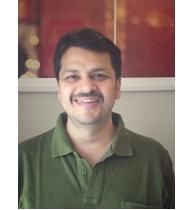
From alternative therapists to life coaches and motivational experts, find certified professionals
All Healers

.jpeg)


.jfif)






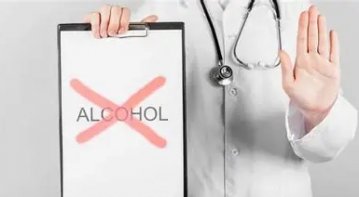

.png "Enhancing Laboratory Precision with High-Quality Synthetic Urine")
.jpg "Navigating Probate Litigation: Essential Tips for Parents")
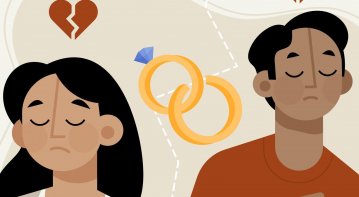


.jpg)
.png "Understanding THCA Flower’s Role in Promoting General Health")